

2025 Unfolded: 15 Global Shifts Redefining the Future
Introduction
The year 2025 promises to be a pivotal moment in human history—a time when technology, society, and geopolitics converge to reshape our world. From breakthroughs in artificial intelligence and quantum computing to innovative solutions in sustainability and transportation, these shifts are not only changing the way we live and work but also challenging us to rethink what is possible. In this article, we explore the 15 key global shifts that are set to redefine the future in 2025.
Table of Contents
2025 Unfolded: 15 Global Shifts Redefining the Future on youtube
2025 Unfolded: 15 Global Shifts Redefining the Future on facebook
1. The Rise of AI-Driven Economies
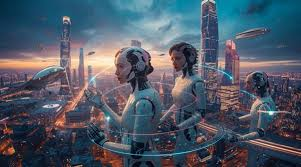
Artificial Intelligence continues to evolve, transforming industries across the globe. From automation in manufacturing to predictive analytics in finance, AI is boosting efficiency and creating new economic opportunities. Governments and corporations are increasingly leveraging AI for policy-making, cybersecurity, and decision-making, reshaping labor markets and creating new skills demands.
2. Geopolitical Realignments
The international landscape is experiencing significant changes. Trade tensions, regional conflicts, and emerging alliances are redefining global power dynamics. Policies promoting protectionism or economic nationalism may influence global supply chains, while diplomacy and multilateral cooperation will remain key to stability.
3. The Green Molecule Revolution
Green hydrogen, ammonia, methanol, and synthetic fuels are becoming central to decarbonizing heavy industries, aviation, and shipping. Investments in these technologies are expected to grow, supported by government policies and private funding, making sustainability a practical and profitable venture.
4. Quantum Computing Redefines Cybersecurity
Quantum computing promises unprecedented computational power. Companies and governments must adapt quickly, adopting post-quantum cryptography to secure sensitive data. As traditional encryption faces obsolescence, early adoption of quantum-safe solutions becomes critical.
5. Large-Scale Energy Storage Transformation
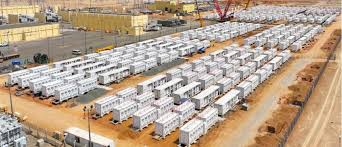
Battery energy storage systems (BESS) and emerging technologies like solid-state batteries are essential for renewable energy integration. These systems will stabilize grids, reduce energy intermittency, and enable widespread adoption of solar and wind power, supporting the transition to a sustainable energy future.
6. Sustainable Cloud and Data Centers
With AI and digital infrastructure demand surging, cloud services and data centers are evolving toward sustainable models. Renewable energy, advanced cooling systems, and water-efficient designs will reduce environmental impact, ensuring the growth of digital infrastructure without compromising the planet.
7. Expansion of Space and Satellite Technologies
Elon Musk’s ventures and other private space initiatives are transforming satellite broadband and space exploration. Satellite networks promise global connectivity, improved communication, and opportunities for research, commerce, and space tourism, ushering in the era of “Muskonomics.”
8. Rise of Robotaxis and Air Taxis
Autonomous vehicles and air taxis are expected to revolutionize urban transportation. Companies like Waymo, Tesla, and Joby Aviation are preparing commercial rollouts, offering efficient, safe, and sustainable mobility solutions in major cities.
9. Biotechnology and Pharma Revolution
CRISPR and other biotechnologies are enabling personalized treatments for genetic disorders, improving cancer therapies, and advancing agricultural innovations. Lab-grown meat and sustainable crops are emerging as solutions to global food security and environmental challenges.
10. Precision Fermentation in Food Production
Precision fermentation is transforming the food industry, producing alternative proteins and bio-based products with lower environmental impact. This technology enhances sustainability while addressing the growing demand for nutritious and resource-efficient foods.
11. Spatial Computing and the Metaverse
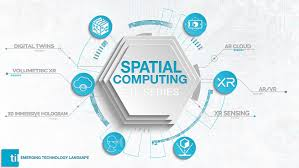
AR, VR, and spatial computing are blending digital and physical worlds. Retail, education, and healthcare industries are leveraging immersive technologies to create interactive learning, personalized shopping, and advanced medical applications.
12. Bots as Hidden Digital Influencers
Bots are expected to account for over 50% of online activity, influencing public opinion and digital trends. Detecting and managing sophisticated bots will be critical for cybersecurity, democratic integrity, and digital marketing strategies.
13. Climate Action Amid Political Shifts
Despite global political uncertainties, technologies like carbon capture, renewable energy, and green molecules will drive sustainability. Countries and corporations must navigate climate policies, adapting to incentives and regulatory frameworks to mitigate environmental risks.
14. Economic Growth Amid Sectoral Challenges
Global growth may slow due to inflation, trade tensions, and geopolitical instability. However, innovative policies, technology adoption, and sustainable investments can create new growth pathways, emphasizing resilience and adaptability.
15. Health, Well-being, and Obesity Management
With over a billion people classified as obese, healthcare innovations in drugs, biotech, and nutrition will be crucial. 2025 is likely to see breakthroughs in obesity management, personalized healthcare, and preventive medicine, promoting global health and longevity.

Conclusion
2025 stands as a defining year of transformation. These 15 trends illustrate how technology, sustainability, geopolitics, and innovation intersect to create a future that demands adaptation, foresight, and collaboration. As industries, governments, and individuals navigate these shifts, the opportunities are immense—but only for those prepared to embrace change. The future is unfolding, and 2025 is just the beginning.
You may like
______________
Pakistan’s Defender and Reformer: The Legacy of General Asim Munir