
1. Introduction
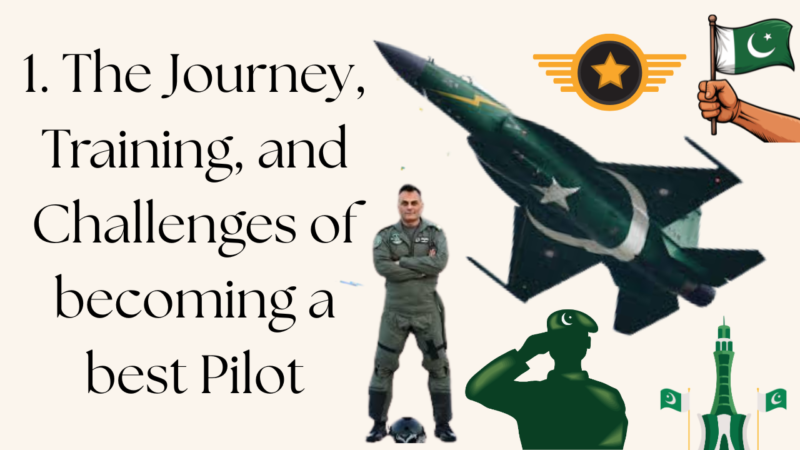
Pilot training is one of the most admirable jobs in the world. Pilots are responsible for flying aircraft safely and ensuring that passengers, crew members, and cargo reach their destinations without danger. This profession requires not only technical skills but also discipline, confidence, and responsibility. The journey to becoming a pilot is long and demanding, but for those who love aviation, it is a dream worth pursuing.
Table of Contents
The Journey, Training, and Challenges of a Pilot on youtube
2. Early Interest in Becoming a Pilot
Most pilots develop an interest in flying at a young age. Watching airplanes in the sky, visiting airports, or learning about aircraft through books and videos can spark curiosity. This early fascination often turns into a strong ambition. Students who dream of becoming pilots usually enjoy learning about science and technology and are excited by the idea of flying high above the clouds.
3. Importance of Education for Pilots
Education plays a very important role in a pilot’s journey. A strong academic background helps students understand complex aviation concepts. Mathematics is essential for calculations, fuel management, and navigation. Physics helps explain how lift, thrust, and gravity affect an aircraft. English is the international language of aviation and is used for communication with air traffic controllers around the world. Without good education, pilot training becomes very difficult.
4. Medical and Age Requirements
Before starting pilot training, students must meet specific age and medical requirements. Pilots need excellent eyesight, good hearing, and strong physical and mental health. Medical examinations are strict because pilots must stay alert during long flights and handle stressful situations calmly. Mental fitness is also important, as pilots must make quick and correct decisions at all times.
5. Ground Training and Theoretical Knowledge
Ground training focuses on building strong theoretical knowledge. During this phase, students learn aviation laws, aircraft systems, navigation techniques, weather patterns, and safety procedures. They study cockpit instruments, engine systems, fuel systems, and emergency rules. This knowledge helps pilots understand what to do in normal and abnormal situations while flying.
6. Flight Training and Practical Skills
Flight training is the most exciting part of becoming a pilot. Students fly real aircraft under the supervision of trained instructors. Training begins with basic controls such as steering, climbing, and descending. Gradually, students learn advanced skills like crosswind landings and emergency handling. This phase builds confidence and practical experience, which are essential for safe flying.
7. Role of Flight Simulators
Flight simulators are an important part of modern pilot training. These simulators are designed to look and feel like real aircraft cockpits. Students can practice flying in bad weather, system failures, and emergency situations without any risk. Simulators help pilots improve decision-making skills and prepare them for real-life challenges.
8. Challenges Faced During Pilot Training
Pilot training is not easy. One major challenge is the high cost of training, which requires financial planning and support. Another challenge is passing written exams, flight tests, and evaluations. Training schedules are strict, and students must stay disciplined and focused. Stress, fear, and self-doubt can also be difficult to overcome.
9. Weather and Environmental Challenges
Weather plays a major role in aviation. Pilots must carefully study weather reports before every flight. Strong winds, storms, fog, and turbulence can make flying challenging. Pilots must remain calm and follow safety procedures in difficult weather conditions to ensure safe travel.

10. Work-Life Balance and Responsibilities
Pilots often work long hours and may stay away from home for days. Managing personal life and professional responsibilities can be challenging. Pilots must remain alert even when tired and handle pressure professionally. This requires emotional strength, discipline, and time management skills.
11. Rewards and Career Opportunities
Despite many challenges, being a pilot is highly rewarding. Pilots enjoy traveling to different countries and seeing the world from the sky. They earn respect and have opportunities to work in commercial airlines, cargo services, rescue missions, and training academies. Flying gives pilots a sense of pride and achievement.
12. Women in Aviation
Today, more women are entering the aviation industry as pilots. Female pilots are proving that flying is not limited by gender. They inspire young girls to dream big and work hard. The aviation industry is becoming more inclusive, providing equal opportunities for everyone.
13. Conclusion
In conclusion, the journey to becoming a pilot is long, challenging, and demanding, but it is also inspiring and rewarding. It requires strong education, proper training, physical and mental fitness, and determination. Those who remain focused and hardworking can achieve their dream of flying. A pilot’s career is a true symbol of courage, responsibility, and success.
______________________
YOU MAY ALSO LIKE: