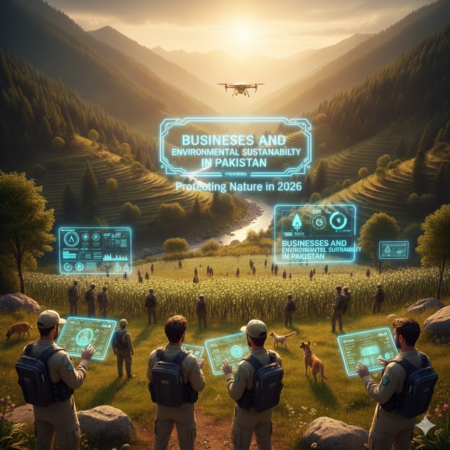
Businesses and Environmental Sustainability in Pakistan: Protecting Nature in 2026
Introduction
Pakistan is a land blessed with mountains, rivers, forests, and fertile plains. From the towering peaks of the north to the rich Indus plains in the south, nature provides us with water, food, clean air, and livelihoods. At the same time, Pakistan’s economy is rapidly growing. Businesses — from factories to farms, textile industries to tourism — are essential for jobs, exports, and economic development.
However, there is a challenge. Many businesses, without proper planning, harm the environment. Air pollution, deforestation, chemical contamination, and water scarcity are becoming increasingly serious problems. In 2026, with climate change, flooding, and resource depletion, Pakistan must focus on sustainable business practices that protect nature while still supporting economic growth.
This blog explores 11 key Businesses sectors, their impact on the environment, and practical steps for Pakistan to achieve eco-friendly growth.
Businesses and Environmental Sustainability in Pakistan: Protecting Nature in 2026 on youtube
Businesses and Environmental Sustainability in Pakistan: Protecting Nature in 2026 on Facebook
Table of Contents
1. Industrial Manufacturing
Industrial manufacturing is one of the biggest contributors to Pakistan’s economy. Cities like Karachi, Lahore, Faisalabad, and Sialkot host textile, chemical, steel, and machinery industries that employ millions.
Advantages:
- Creates massive employment opportunities.
- Contributes to GDP and foreign exports.
- Encourages technology, skill development, and industrial innovation.
Disadvantages:
- Industrial wastewater pollutes rivers and canals.
- Smoke emissions contribute to urban air pollution and smog.
- Heavy reliance on fossil fuels increases greenhouse gases.
Solutions:
- Install wastewater treatment plants in all factories.
- Use air filters and emission scrubbers.
- Switch to solar, wind, or biomass energy to reduce carbon footprint.
Example: In Faisalabad, some textile factories are switching to solar-powered machinery, reducing energy costs and pollution simultaneously.
2026 Focus: Government policies now encourage ESG (Environmental, Social, Governance) compliance for industries, linking sustainability with international trade benefits.

2. Construction & Real Estate
Pakistan’s construction and real estate sector is booming. Cities are expanding rapidly, requiring housing, offices, roads, and infrastructure.
Advantages:
- Provides housing and commercial spaces.
- Creates jobs for engineers, laborers, and architects.
- Supports allied industries like steel, cement, and furniture.
Disadvantages:
- Often involves deforestation and loss of farmland.
- Soil erosion and risk of floods in poorly planned areas.
- Construction waste pollutes surrounding land and water.
Solutions:
- Encourage green building designs using energy-efficient materials.
- Conduct Environmental Impact Assessments (EIA) before starting large projects.
- Recycle construction waste like bricks, metal, and wood.
Example: Businesses Karachi’s new vertical apartment projects save land and reduce deforestation compared to spreading suburban housing.

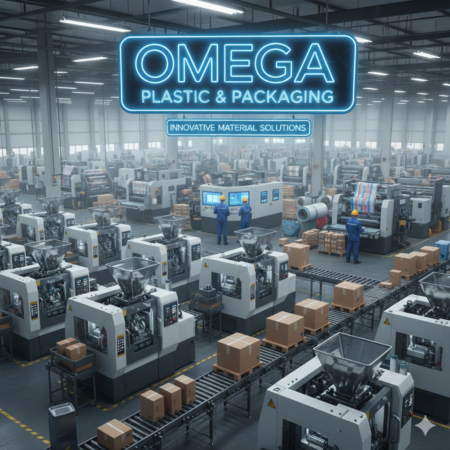
3. Plastic & Packaging Industry
The plastic and packaging sector is critical for commerce, food storage, and transportation but also a major environmental concern.
Advantages:
- Provides cheap and versatile packaging for goods.
- Supports shipping, logistics, and retail businesses.
Disadvantages:
- Single-use plastics pollute land, rivers, and seas.
- Microplastics enter food chains, harming wildlife and humans.
- Most plastics take hundreds of years to decompose.
Solutions:
- Promote biodegradable or reusable packaging.
- Set up recycling centers and plastic collection drives.
- Impose taxes and incentives to reduce plastic usage.
Example: Businesses Grocery stores in Islamabad and Lahore now offer cloth or paper bags instead of plastic, encouraging customers to reduce waste.
4. Timber & Logging
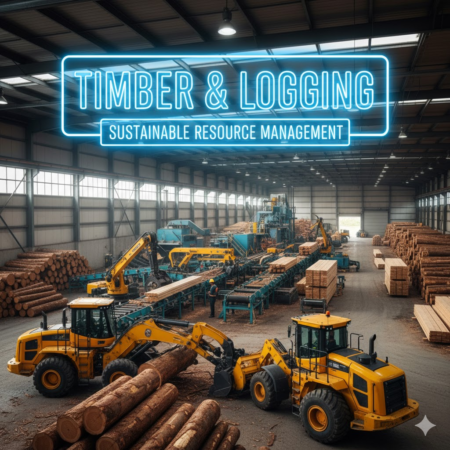
Timber and logging provide wood for furniture, construction, and paper industries.
Advantages:
- Supplies raw material for many industries.
- Provides employment in forestry and carpentry sectors.
Disadvantages:
- Deforestation increases floods, heat, and soil erosion.
- Wildlife lose habitats.
- Forest reduction contributes to climate change.
Solutions:
- Implement sustainable logging practices.
- Launch reforestation programs to replace every tree cut.
- Strict monitoring to prevent illegal logging.
Example: Businesses Northern areas like Murree and Kaghan have community-led tree-planting drives protecting forests while allowing controlled logging.
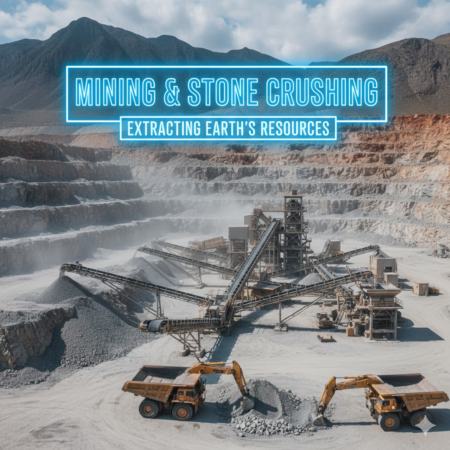
5. Mining & Stone Crushing
Mining provides minerals, stones, and building materials. Areas like Balochistan and Khyber Pakhtunkhwa are rich in resources.
Advantages:
- Supplies minerals for construction and industry.
- Generates jobs and supports local economies.
Disadvantages:
- Dust pollution affects air quality and respiratory health.
- Land degradation and permanent ecosystem changes.
- Pollutes nearby water sources.
Solutions:
- Use dust control nets and water sprinklers.
- Restore mined areas with landscaping and tree planting.
- Strictly enforce environmental regulations.
Example: Businesses Quarries in Karachi now use water sprays to reduce dust emissions, protecting workers and nearby residents.
6. Agriculture & Farming
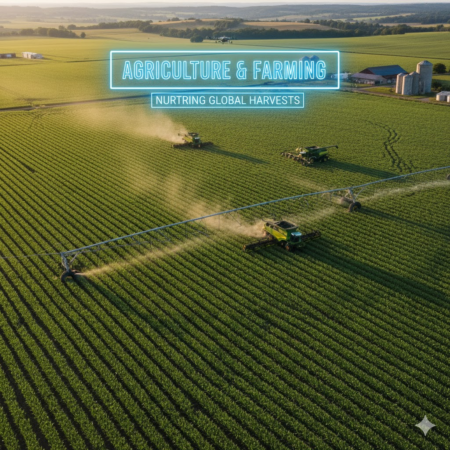
Agriculture is Pakistan’s backbone, employing millions and providing food and exports.
Advantages:
- Ensures food security.
- Provides employment in rural areas.
- Supports export crops like rice, wheat, and fruits.
Disadvantages:
- Chemical fertilizers and pesticides pollute soil and water.
- Over-irrigation depletes groundwater.
- Forests are cut for more farmland.
Solutions:
- Promote organic farming and natural pest control.
- Use efficient irrigation systems like drip irrigation.
- Protect nearby forests and wildlife areas.
Example:Businesses Farmers in Punjab using solar-powered drip irrigation save water and improve crop yield.
7. Tourism & Hospitality
Tourism promotes Pakistan’s natural beauty and culture, creating jobs in hotels, restaurants, and guided tours.
Advantages:
- Boosts local economies.
- Encourages preservation of natural and cultural sites.
- Provides employment opportunities.
Disadvantages:
- Uncontrolled tourism leads to littering and habitat damage.
- High water and energy demand for hotels and resorts.
Solutions:
- Promote eco-tourism with visitor limits in sensitive areas.
- Educate tourists to respect nature.
- Encourage locally-run small businesses instead of large resorts.
Example: Hunza Valley eco-tours teach visitors to keep the mountains clean while supporting local guides.

8. Fishing & Aquaculture
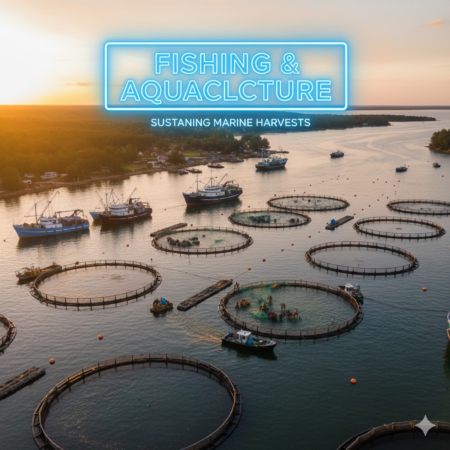
Fishing is vital for food, jobs, and exports, especially in coastal Sindh and Balochistan.
Advantages:
- Provides healthy food and livelihood.
- Supports seafood industry and exports.
Disadvantages:
- Overfishing reduces fish populations.
- Aquaculture without planning pollutes water.
- Ecosystems are affected.
Solutions:
- Set fishing quotas and seasonal bans.
- Promote eco-friendly aquaculture practices.
- Monitor and regulate fishing areas.
Example: Seasonal bans in Karachi and Gwadar help fish populations recover, supporting long-term industry sustainability.
9. Energy Sector
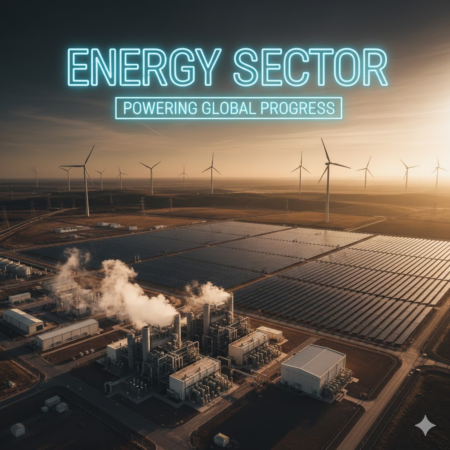
Energy powers homes, businesses, and industries. Pakistan relies on coal, hydro, and increasingly solar and wind.
Advantages:
- Supports economic growth.
- Provides electricity for all sectors.
- Creates jobs in engineering, maintenance, and construction.
Disadvantages:
- Coal and fossil fuels emit greenhouse gases.
- Large dams can displace communities.
- Energy extraction can pollute land and water.
Solutions:
- Expand renewable energy like solar, wind, and micro-hydro.
- Control emissions from thermal plants.
- Conduct environmental checks for new projects.
Example: Rooftop solar in Karachi reduces household energy costs and decreases emissions.
10. Textile & Garment Industry
Pakistan’s textile sector is a top export earner and major employer.
Advantages:
- Provides jobs, especially for women.
- Contributes significantly to exports.
- Encourages industrial growth and innovation.
Disadvantages:
- High water and energy use.
- Wastewater from dyeing pollutes rivers.
Solutions:
- Install wastewater treatment plants.
- Adopt energy-efficient machines.
- Use eco-friendly dyes and water recycling.
Example: Faisalabad textile mills treating wastewater before release protects local rivers.

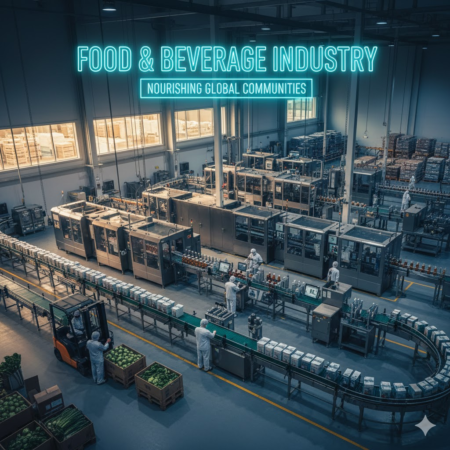
11. Food & Beverage Industry
This sector includes restaurants, bakeries, food processing, and packaged goods.
Advantages:
- Creates jobs in kitchens, production, and delivery.
- Supports farmers and supply chains.
- Boosts economic contribution.
Disadvantages:
- Food processing waste can pollute land and water.
- Packaging often creates plastic waste.
- Energy and water intensive.
Solutions:
- Reduce food waste through proper planning.
- Use biodegradable packaging.
- Conserve water and energy in production.
Example: Restaurants donating leftover food to communities instead of discarding it.
Summary Table: Quick Reference
| Businesses | Advantages | Disadvantages | Solutions |
|---|---|---|---|
| Industrial Manufacturing | Jobs; exports; technology | Pollution; energy use | Waste treatment; air filters; renewable energy |
| Construction | Housing; jobs; industries | Deforestation; soil erosion | Green buildings; recycle; EIA |
| Plastic & Packaging | Cheap; versatile | Pollution; wildlife harm | Biodegradable; recycle; reduce |
| Timber & Logging | Wood; jobs | Deforestation; habitat loss | Sustainable logging; reforestation |
| Mining & Stone | Minerals; jobs | Dust; land/water impact | Dust control; land restoration |
| Agriculture | Food; jobs; exports | Chemicals; water misuse | Organic; drip irrigation; protect forests |
| Tourism | Jobs; economy; culture | Litter; energy/water | Eco-tourism; limit visitors |
| Fishing | Food; jobs; exports | Overfishing; pollution | Quotas; eco-aquaculture |
| Energy | Electricity; growth | Emissions; dams | Renewable energy; emission control |
| Textile | Jobs; exports | Water/energy; dyes | Treatment plants; eco-dyes |
| Food & Beverage | Jobs; supports farmers | Waste; packaging | Reduce waste; biodegradable packaging |
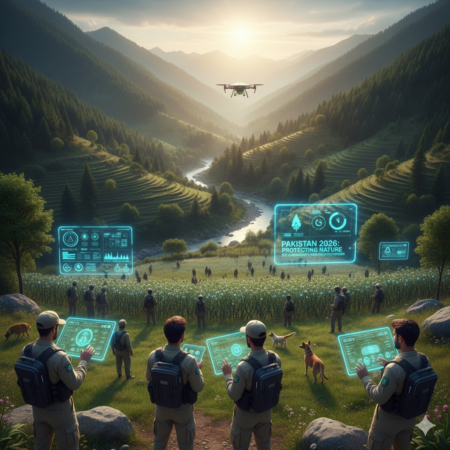
How Pakistan Can Protect Nature in 2026
- Government Policies: Green loans, tax benefits, strict monitoring.
- Public Awareness: Environmental education and media campaigns.
- Technology: Pollution tracking, renewable energy, recycling.
- Community Participation: Tree planting, eco-tourism, clean-ups.
- Legal Enforcement: Equal rules for all businesses to protect forests, rivers, and wildlife.
Conclusion
Businesses are vital for Pakistan’s economy, but profit must never harm nature. In 2026, sustainable business practices, clean technology, and public awareness can help people, businesses, and the environment grow together.
True progress is when Pakistan develops economically without losing its natural beauty and resources. Sustainable growth is essential for today and the future.
You may also like
_____________________