

Introduction
Ranking on Google search is no longer just about writing content and waiting for traffic. In 2026, Google has become smarter, users have become more demanding, and competition has increased across almost every niche. If you are a beginner, blogger, student, freelancer, or website owner asking “How to rank on Google search?”, this guide is written specifically for you.
This article is a complete, step-by-step SEO roadmap that explains how Google ranking works, what mistakes stop websites from ranking, and what strategies actually bring traffic. No fluff, no outdated tricks—only practical, beginner-friendly SEO methods that still work in 2026.
Whether you run a blog, an educational website, a business site, or a niche affiliate site, mastering SEO is the key to long-term success.
Table of Contents
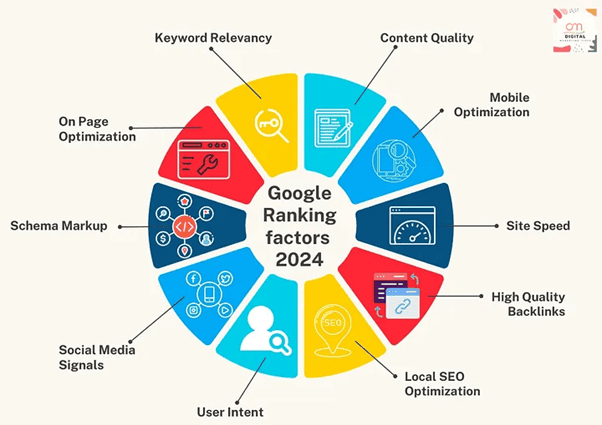
How to Rank on Google Search in 2026: The BEST Complete Beginner-to-Advanced SEO Guide ON YOUTUBE
What Does It Mean to Rank on Google?
Ranking on Google means that your website or webpage appears on the first page of Google search results when users search for a specific keyword. Studies show that more than 90% of users never click beyond the first page, and the top three results get the majority of clicks.
If your website is not ranking, it is practically invisible.
That is why learning how to rank on Google search is one of the most valuable digital skills today.
How Google Search Works (In Simple Terms)
Google uses automated systems called crawlers to scan billions of web pages. These systems:
- Discover new pages (Crawling)
- Understand and store content (Indexing)
- Decide which pages deserve top positions (Ranking)
Google’s goal is simple:
Show the most helpful, relevant, and trustworthy content to users.
If your content solves a problem better than others, Google rewards it with higher rankings.
Understanding SEO: The Foundation of Google Ranking
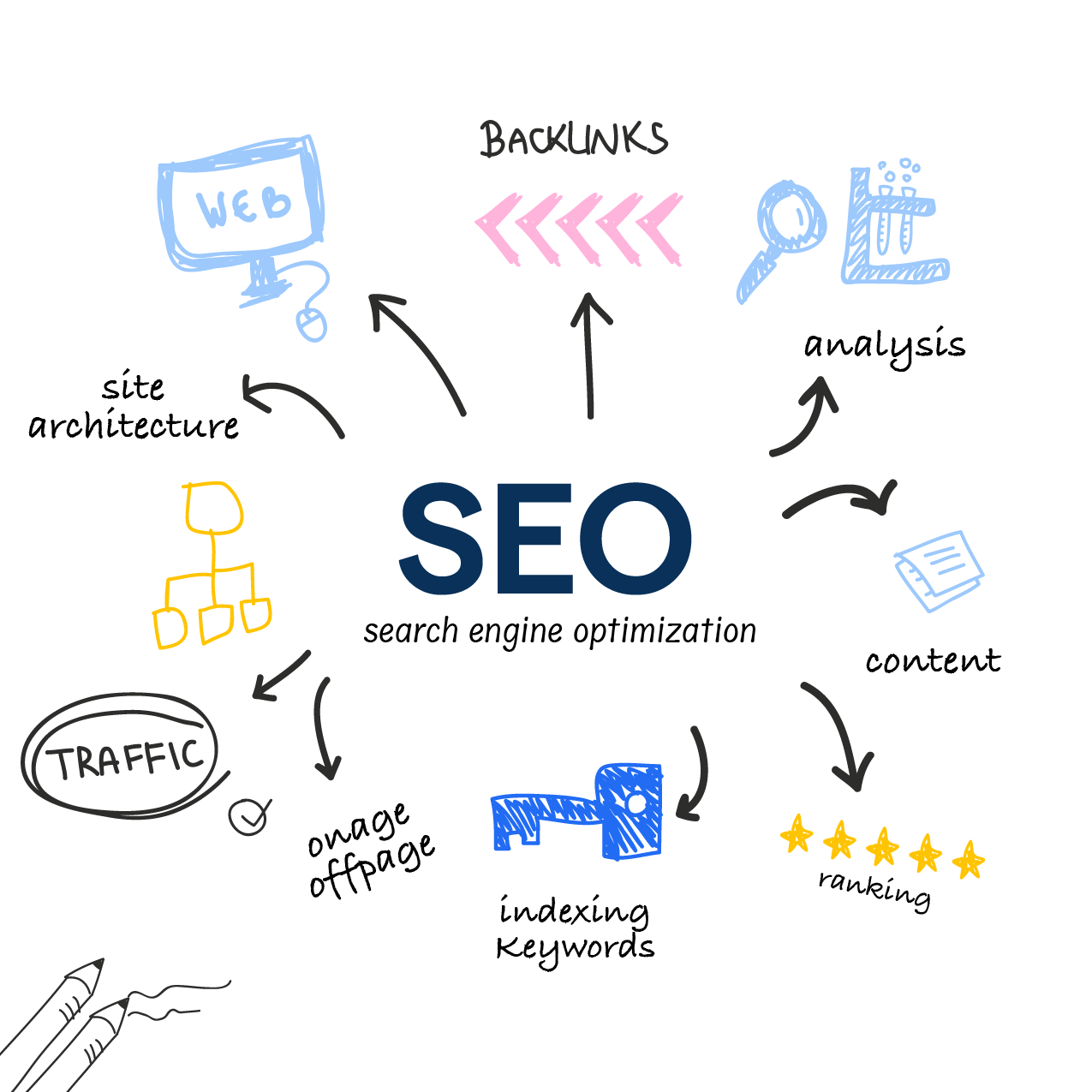
SEO stands for Search Engine Optimization. It is the process of optimizing your website so that search engines can easily understand it and rank it higher.
SEO has three major pillars:
1. On-Page SEO
Everything you optimize inside your content, such as keywords, titles, headings, and internal links.
2. Off-Page SEO
Actions taken outside your website, mainly backlinks and brand mentions.
3. Technical SEO
The technical structure of your website, including speed, mobile-friendliness, and indexing.
All three are essential if you want to rank on Google search consistently.
Step 1: Keyword Research (The Most Important Step)
Keyword research is the backbone of SEO. If you choose the wrong keywords, even the best content will not rank.
What Is a Keyword?
A keyword is a word or phrase users type into Google.
Examples:
- how to rank on google search
- seo for beginners
- google ranking tips
Your job is to match your content with what people are actually searching for.
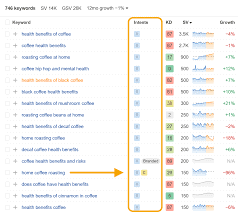
Types of Keywords You Should Know
- Short-tail keywords (High competition)
Example: SEO, blogging - Long-tail keywords (Low competition, high intent)
Example: how to rank on google search in 2026
For beginners, long-tail keywords are the safest and fastest way to rank.
Free Keyword Research Tools (2026)
You do not need paid tools when starting. Use:
- Google Autocomplete
- “People Also Ask” section
- Google Related Searches
- Ubersuggest (free version)
- Keyword Surfer (Chrome extension)
Pro Tip:
Choose keywords with low competition, clear intent, and informational value.
Step 2: Creating an SEO-Friendly Title That Gets Clicks
Your title is the first thing users and Google see.
Formula for a High-Ranking SEO Title
Power Word + Main Keyword + Clear Benefit + Year
Example:
How to Rank on Google Search in 2026: A Complete Beginner’s Guide
Why this works:
- Includes the main keyword
- Builds trust
- Feels updated and relevant
Avoid clickbait. Google prefers clarity over exaggeration.
Step 3: Writing Content That Google Actually Ranks
In 2026, Google prioritizes helpful, human-first content. AI-generated content alone does not rank unless it is improved, edited, and personalized.
Rules for High-Ranking Content
- Write in simple, clear English
- Break content into sections
- Use short paragraphs
- Add examples and explanations
- Answer real user questions
- Focus on depth, not fluff
Your content should feel like a complete solution, not a summary.
Step 4: On-Page SEO Optimization (Must-Do Checklist)
On-page SEO tells Google what your content is about.
On-Page SEO Best Practices
- Main keyword in the title
- Keyword in the first 100 words
- Keyword in headings (naturally)
- Optimized meta description
- Image ALT text
- Internal links to related pages
- External links to trusted sources
Do not overuse keywords. Keyword stuffing hurts rankings.
Step 5: Content Structure and Readability
Google favors content that users enjoy reading.
How to Improve Readability
- Use H2 and H3 headings
- Keep sentences short
- Use bullet points and numbered lists
- Add spacing between paragraphs
Better readability = longer time on page = better ranking signals.
Step 6: Image Optimization for SEO
Images improve user experience and SEO when used correctly.
4
Image SEO Tips
- Compress images before uploading
- Use descriptive file names
- Write meaningful ALT text
- Avoid stock images when possible
- Use original visuals or AI-enhanced images
Images can also rank in Google Images, bringing extra traffic.
Step 7: Website Speed and Core Web Vitals
A slow website cannot rank in 2026.
Why Speed Matters
- Users leave slow pages
- Google measures performance
- Faster sites rank higher
How to Improve Speed
- Use a lightweight theme
- Compress images
- Enable caching
- Remove unnecessary plugins
- Choose reliable hosting
Speed optimization is not optional anymore.
Step 8: Mobile-Friendly Design Is Mandatory
More than 70% of Google searches come from mobile devices.
If your website is not mobile-friendly:
- Users leave quickly
- Rankings drop
- Traffic declines
Mobile SEO Best Practices
- Responsive design
- Readable fonts
- Easy navigation
- No intrusive popups
Google uses mobile-first indexing, meaning it ranks your mobile version first.
Step 9: Understanding Backlinks (Off-Page SEO)
Backlinks are links from other websites pointing to your site.
Google sees backlinks as votes of trust.
Safe Backlink Strategies for Beginners
- Guest posting on relevant blogs
- Publishing helpful resources
- Social media sharing
- Natural mentions
- Answering questions on forums
Avoid buying backlinks. Low-quality links can destroy your rankings.
Step 10: Internal Linking for Better Rankings
Internal links connect one page of your website to another.
Benefits:
- Helps Google crawl your site
- Distributes SEO value
- Improves user experience
Every article should link to at least 2–3 relevant internal pages.
Step 11: Using Google Search Console
Google Search Console is a free tool that every website owner must use.
It helps you:
- Track keyword rankings
- Find indexing errors
- Improve click-through rate
- Identify underperforming pages
Ignoring Search Console means guessing instead of optimizing.
Common SEO Mistakes That Stop Google Ranking
Many beginners fail because of these mistakes:
- Copy-paste content
- Keyword stuffing
- Ignoring mobile optimization
- Publishing thin content
- No internal linking
- Depending only on AI writing
- Expecting instant results
SEO rewards patience and consistency.
How Long Does It Take to Rank on Google?
SEO is not instant.
Typical timeline:
- New website: 3–6 months
- Low competition keywords: 4–8 weeks
- Competitive keywords: 6–12 months
Consistency matters more than speed.
SEO Trends You Must Follow in 2026
To stay ahead, focus on:
- Helpful content updates
- User intent optimization
- AI-assisted but human-edited content
- Topical authority
- Brand trust signals
- Experience-based content
SEO is evolving, but quality always wins.
Frequently Asked Questions (FAQ)
Can beginners rank on Google?
Yes. With low-competition keywords and proper SEO, beginners can rank successfully.
Is SEO still worth learning in 2026?
Absolutely. SEO remains one of the highest ROI digital skills.
Can free tools help with SEO?
Yes. Many websites rank using only free SEO tools.
Does AI content rank on Google?
Only if it is edited, improved, and made genuinely helpful.
Final Thoughts
Learning how to rank on Google search is not about shortcuts or tricks. It is about understanding users, creating valuable content, and optimizing your website correctly.
If you focus on:
- The right keywords
- High-quality content
- Proper on-page SEO
- User experience
Google will reward your efforts over time.
SEO is slow, but it is powerful. Once you rank, traffic comes daily—without ads.
_____________________
YOU MAY ALSO LIKE:
Pakistan’s Technology Landscape in 2026: AI, Fintech, Cloud, and Digital Transformation