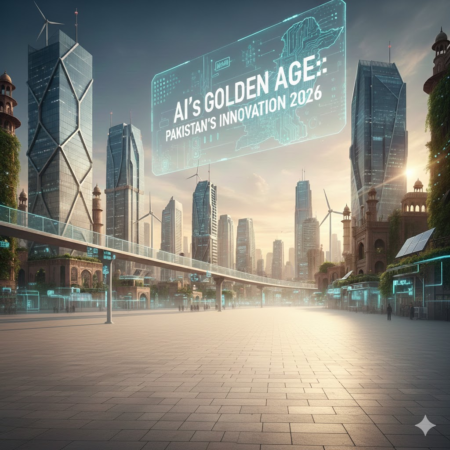
AI’s Golden Age: Innovations Shaping Pakistan in 2026
Introduction
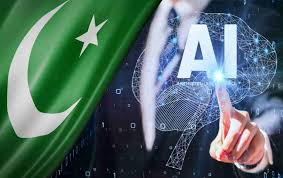
AI’s Golden Age: Innovations Shaping Pakistan in 2026 in The world is entering a new era where Artificial Intelligence (AI) is no longer a futuristic concept but a transformative force shaping industries, economies, and societies. Experts refer to this period as the Golden Age of AI, a time when advanced tools, machine learning algorithms, and intelligent systems are revolutionizing how we live, work, and innovate.
Pakistan, with its rapidly growing IT sector, innovative startups, and a tech-savvy youth population, is now stepping boldly into this golden age. By 2026, AI is not just a buzzword in Pakistan—it has become a practical reality, influencing healthcare, agriculture, education, finance, business, and governance.
This article explores how AI is reshaping Pakistan through innovations, highlights the most impactful AI tools, examines the benefits and challenges, and envisions the future trajectory of AI in the country.
AI’s Golden Age: Innovations Shaping Pakistan in 2026 on youtube
AI’s Golden Age: Innovations Shaping Pakistan in 2026 on facebook
Table of Contents
The Rise of AI in Pakistan
Historical Context and Early Adoption
Innovations Shaping Pakistan in 2026 journey with AI began in research labs and universities, where computer scientists experimented with machine learning, natural language processing, and robotics. Institutions like NUST, LUMS, and PIEAS pioneered AI education and research in the early 2010s, preparing a generation of students to engage with emerging technologies.
Initially, AI applications were limited to multinational corporations, IT service providers, and academic experiments. However, by the mid-2020s, AI adoption expanded into healthcare, agriculture, education, finance, and business startups, marking a shift from experimental to practical, impactful implementations.
Government Initiatives Driving AI Growth
The Pakistani government recognized the transformative potential of AI and launched initiatives to accelerate its adoption:
- Digital Pakistan Policy: Encourages AI adoption across public services, e-governance, and industrial processes.
- National AI Task Force: Develops sector-specific AI strategies, ensuring integration in critical industries like healthcare, agriculture, and finance.
- AI Research Funding and Incubators: Universities and startups receive grants, mentorship, and technological support to develop AI solutions locally.
These initiatives have created an ecosystem where innovation and AI adoption thrive, positioning Pakistan as a rising hub for AI-driven solutions.
AI Startups and Tech Hubs in Pakistan
Pakistan’s startup ecosystem is flourishing, with cities like Islamabad, Karachi, and Lahore becoming centers of AI innovation. Startups are developing AI tools for:
- Healthcare: AI-assisted diagnostics, telemedicine, and predictive analytics.
- Agriculture: Crop monitoring, yield prediction, and smart irrigation systems.
- Finance: Fraud detection, AI-based customer service, and algorithmic trading solutions.
- Education: AI-driven learning platforms, personalized tutoring, and automated grading systems.
Innovations Shaping Pakistan in 2026 Innovation hubs like Plan9, Nest I/O, and National Incubation Centers provide mentorship, funding, and exposure, enabling AI startups to flourish and attract global attention.

Key AI Innovations Shaping Pakistan in 2026
Healthcare Innovations
AI has become a game-changer for Pakistan’s healthcare sector:
- AI-Powered Diagnostics: Tools analyze medical imaging with high accuracy, detecting conditions like tuberculosis, cancer, and heart diseases.
- Telemedicine and Virtual Consultations: AI chatbots and virtual assistants provide real-time medical guidance, especially in remote areas.
- Predictive Analytics: AI models predict disease outbreaks, optimize hospital resource allocation, and improve patient care.
These innovations are increasing accessibility, reducing diagnostic errors, and improving healthcare outcomes nationwide.

Agriculture and Food Security
Innovations Shaping Pakistan in 2026 AI is transforming Pakistan’s agriculture sector, enhancing productivity and sustainability:
- Smart Crop Monitoring: Drones and AI-powered sensors detect plant diseases, soil health, and water requirements.
- Yield Prediction: Machine learning models forecast crop output, helping farmers plan harvests and market strategies.
- Precision Farming: AI tools optimize irrigation, pesticide use, and resource allocation, reducing costs and improving sustainability.
Such innovations are crucial for Pakistan, where agriculture employs a significant portion of the population and contributes heavily to the economy.
Education and Learning Technologies
Education is experiencing a digital revolution with AI:
- Personalized Learning Platforms: AI adapts lessons to student performance, enabling individualized learning experiences.
- AI Tutors and Chatbots: Virtual AI assistants guide students, answer queries, and provide practice exercises.
- Automated Assessment Tools: AI evaluates exams and assignments, reducing teacher workload and enhancing grading accuracy.
These tools bridge educational gaps, particularly in remote regions, and make learning more interactive and effective.
Finance and Banking Innovations
AI adoption in finance and banking improves efficiency, security, and customer satisfaction:
- Fraud Detection Systems: AI monitors transactions, identifying suspicious activities instantly.
- Smart Customer Support: Chatbots handle queries, reducing response time and improving service quality.
- Investment Insights: AI algorithms analyze financial data, guiding investors and predicting market trends.
Financial institutions increasingly rely on AI to stay competitive and deliver value to customers.
Business and Enterprise AI
AI is revolutionizing business operations across Pakistan:
- Sales and Marketing Automation: AI predicts customer behavior and personalizes campaigns.
- Supply Chain Optimization: AI improves inventory management, logistics, and demand forecasting.
- Human Resource Management: AI helps in recruitment, performance tracking, and employee engagement.
Innovations Shaping Pakistan in 2026 Startups and enterprises that adopt AI tools experience higher efficiency, better decision-making, and competitive advantages in the marketplace.
Benefits of AI Tools in Pakistan
AI tools are not just futuristic concepts—they are creating tangible benefits across Pakistan, transforming industries and daily life. The Golden Age of AI brings multiple advantages:
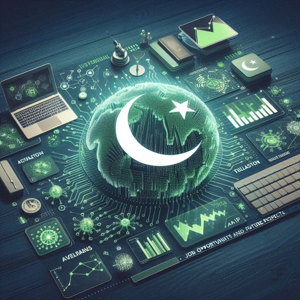
1. Economic Growth and Job Creation
Contrary to fears that AI will only replace jobs, in Pakistan, it is creating new opportunities:
- Startups and Tech Hubs: AI-driven businesses generate employment for software developers, data scientists, AI engineers, and project managers.
- Entrepreneurship Growth: AI tools lower entry barriers for new businesses, enabling entrepreneurs to scale quickly.
- Industry Expansion: Manufacturing, finance, agriculture, and healthcare are leveraging AI for efficiency, boosting national economic output.
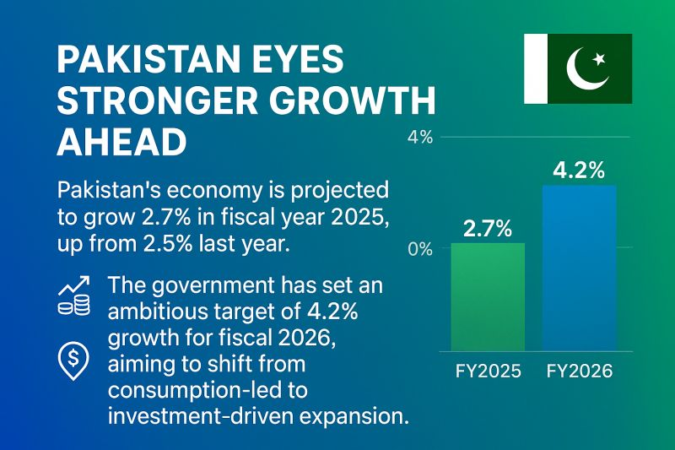
Innovations Shaping Pakistan in 2026 AI integration is expected to contribute billions of dollars to Pakistan’s GDP by 2026, creating a dynamic technology-driven economy.
2. Increased Efficiency and Productivity
AI tools automate repetitive and time-consuming tasks, allowing human resources to focus on strategic and creative activities:
- Automation in Business: AI handles routine accounting, data entry, and inventory tracking.
- Healthcare Efficiency: AI accelerates diagnostics, patient triage, and hospital management.
- Agriculture Productivity: Precision farming reduces waste, increases yield, and optimizes resource use.
Overall, AI helps Pakistan achieve more with less, improving productivity across sectors.
3. Enhanced Decision-Making
AI tools analyze massive datasets quickly and accurately, supporting better decision-making:
- Financial Insights: AI algorithms detect investment opportunities and market trends.
- Public Policy: Government agencies use AI for urban planning, resource allocation, and disaster management.
- Business Strategy: Companies leverage AI analytics to forecast consumer behavior, streamline operations, and anticipate market demands.
Innovations Shaping Pakistan in 2026 This data-driven approach enhances efficiency, reduces risks, and drives innovation.
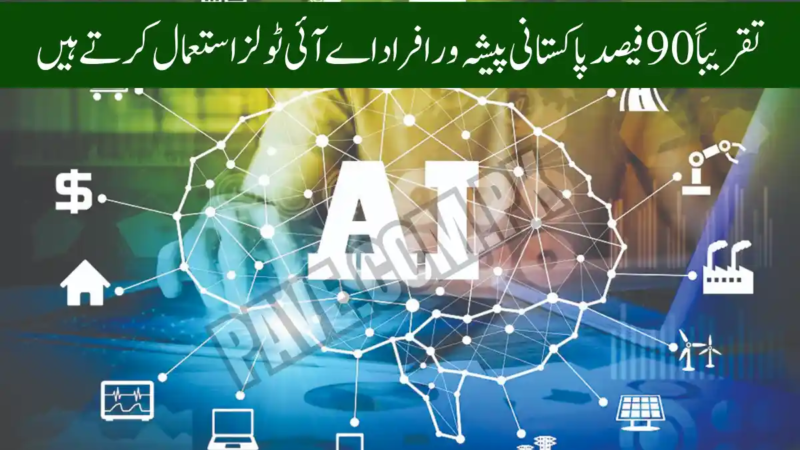
4. Solving Local Challenges with AI
Pakistan faces unique challenges, from healthcare accessibility to food security. AI innovations are helping:
- Remote Healthcare Access: Telemedicine and AI diagnostic tools reach underserved areas.
- Food Security: AI-driven agriculture ensures higher crop yield and sustainable practices.
- Urban Planning: AI predicts traffic patterns, optimizes public transportation, and reduces congestion.
- Disaster Response: AI models help predict floods, earthquakes, and climate-related emergencies.
By addressing these local challenges, AI contributes to social and economic development.
Challenges and Roadblocks
Despite its immense potential, AI adoption in Pakistan faces several challenges:
1. Infrastructure Limitations
Innovations Shaping Pakistan in 2026 AI relies on high-speed internet, cloud computing, and data storage facilities. Many regions in Pakistan still face infrastructure gaps, limiting AI access and efficiency.
- Connectivity Issues: Rural areas often have limited or unstable internet, slowing AI deployment.
- Data Centers: A lack of advanced data centers increases dependency on foreign AI platforms.
2. Talent Gap and Training Needs
AI adoption requires skilled professionals, and Pakistan currently has a shortage:
- Limited availability of data scientists, AI engineers, and machine learning specialists.
- Educational institutions need to expand AI and robotics programs.
- Upskilling the workforce through workshops, online courses, and government initiatives is essential.
3. Data Privacy and Cybersecurity
AI systems process massive amounts of sensitive data, raising concerns:
- Privacy Risks: Improper handling of personal and financial data can lead to breaches.
- Cybersecurity Threats: AI-driven systems are vulnerable to hacking and misuse.
- Regulatory frameworks for data protection and AI ethics are still developing in Pakistan.
4. Public Awareness and Adoption Hurdles
Innovations Shaping Pakistan in 2026 Many businesses and citizens are still unfamiliar with AI’s capabilities:
- Skepticism and fear of job loss may slow adoption.
- Lack of awareness of AI tools’ potential prevents small businesses and local entrepreneurs from leveraging AI effectively.
Overcoming these challenges requires education, policy support, and awareness campaigns.
The Future of AI in Pakistan by 2026 and Beyond
Looking forward, Innovations Shaping Pakistan in 2026 AI is set to reshape Pakistan’s technological and socio-economic landscape:
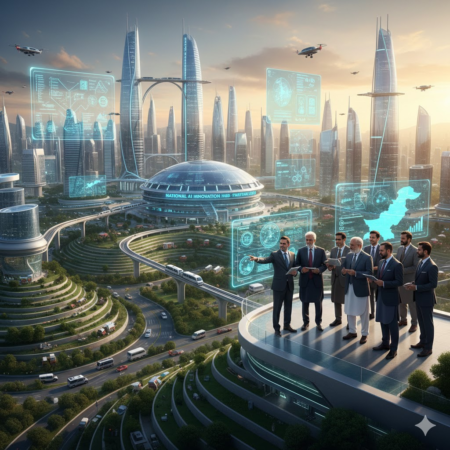
1. AI-Driven Smart Cities
Innovations Shaping Pakistan in 2026 is expected to see the rise of AI-powered urban centers:
- Smart traffic management, predictive policing, energy-efficient buildings, and IoT-based infrastructure.
- AI-enabled public services will improve efficiency and citizen experience.
2. International Collaboration and Innovation
Pakistan is increasingly participating in global AI research and partnerships:
- Collaboration with tech giants, international universities, and AI research centers.
- Exporting AI solutions to other countries, positioning Pakistan as a regional AI innovator.
3. AI in Everyday Life
Innovations Shaping Pakistan in 2026 will become ubiquitous:
- AI assistants in households, schools, and workplaces.
- Personalized AI healthcare, education, and financial planning tools.
- AI-driven content creation, entertainment, and social engagement platforms.
4. Policy and Governance Integration
The government is expected to:
- Strengthen AI policies and ethical frameworks.
- Support AI research with funding and infrastructure.
- Facilitate startups and private sector innovation through incentives and tech parks.
These developments will make Pakistan a leading AI-adopting nation in South Asia by 2026.
Conclusion
Innovations Shaping Pakistan in 2026 is entering a golden era of AI, where innovations are not only transforming industries but also improving the lives of millions. From healthcare to agriculture, education to finance, AI tools are creating efficiency, fostering innovation, and driving economic growth.
While Innovations Shaping Pakistan in 2026 challenges like infrastructure, talent gaps, and cybersecurity remain, the potential benefits far outweigh the hurdles. With proper investment, policies, and public awareness, Pakistan can harness AI to become a technological powerhouse in the region.
The Golden Age of AI is here, and Pakistan’s innovators, entrepreneurs, and policymakers have the opportunity to shape a future where technology empowers citizens, businesses, and the nation as a whole.
You may also like
________________