
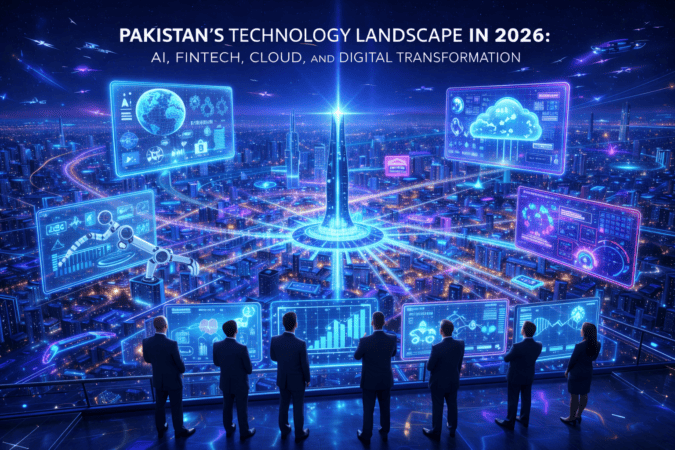
Pakistan’s Technology Landscape in 2026: AI, Fintech, Cloud, and Digital Transformation
Introduction:
A Pivotal Year for Pakistan’s Digital Transformation
The year 2026 marks a turning point in Pakistan’s journey toward becoming a technology-driven economy. Over the past decade, the country has steadily embraced digitalization, driven by internet proliferation, mobile technology, and a young, tech-savvy population. Today, Technology Landscape in 2026 is no longer just an enabler—it is a strategic cornerstone for economic growth, innovation, and global competitiveness.
From artificial intelligence (AI) and fintech to cloud computing and cybersecurity, Pakistan is embracing modern technologies to transform industries, enhance public services, and create new opportunities for businesses and professionals alike. Key initiatives, government policies, private sector innovation, and global collaborations are converging to create a robust digital ecosystem.
Major Technology Landscape in 2026 events such as ITCN Asia 2026 have provided platforms for startups, investors, and global technology leaders to interact, exchange knowledge, and explore business opportunities. Alongside this, the rising demand for skilled professionals, coupled with bootcamps, online courses, and university-industry collaborations, is creating a workforce ready to tackle the challenges of a digital economy.
As Pakistan navigates the digital era, 2026 represents a year of momentum and strategic focus, where technology adoption, international partnerships, and skill development converge to shape the country’s digital future.
pakistan’s technology landscape in 2026 ai fintech cloud and digital transformation on youtube
pakistan’s technology landscape in 2026 ai fintech cloud and digital transformation on facebook
Table of Contents
Overview of Pakistan’s Digital Ecosystem
Pakistan’s digital ecosystem has undergone remarkable growth in recent years, driven by increased internet penetration, mobile connectivity, and supportive government policies. Technology Landscape in 2026 According to the Pakistan Telecommunication Authority, over 90 million internet users are active in the country as of 2026, with mobile broadband services expanding rapidly into urban and semi-urban areas.
Government Initiatives
The government’s vision, articulated through programs such as Digital Pakistan and e-governance initiatives, aims to transform public services and create a favorable environment for innovation. Key initiatives include:
- Digital infrastructure development: Expansion of broadband networks and cloud-based government services
- Startup support: Funding programs, incubation centers, and technology parks for entrepreneurs
- Cybersecurity frameworks: Regulations to secure public and private sector digital systems
These measures are helping Pakistan create a secure, accessible, and innovation-friendly digital environment.
Startup Ecosystem
The Technology Landscape in 2026 country’s startup landscape is also flourishing. Cities like Karachi, Lahore, and Islamabad have emerged as hubs for fintech, healthtech, edtech, and SaaS solutions. Incubators, accelerators, and investment funds are providing support to young innovators, helping them scale their businesses locally and globally.
Major Technology Events: ITCN Asia and Beyond
Events like ITCN Asia 2026 (January 17–19) are critical to Pakistan’s digital ecosystem. These platforms enable networking, knowledge exchange, and visibility on a global stage.
Key Highlights of ITCN Asia 2026
- Artificial Intelligence (AI): Companies showcased AI-powered automation, predictive analytics, and machine learning solutions for businesses
- Fintech Innovations: Mobile payment platforms, blockchain-based financial solutions, and digital banking technologies
- Cybersecurity: Workshops and demonstrations on threat detection, secure networks, and compliance regulations
Such events provide startups and professionals with exposure to international standards, encouraging innovation and investment. They also foster collaboration between academia, industry, and government, Technology Landscape in 2026 essential for a sustainable technology ecosystem.
Other notable events include regional tech summits and industry-specific exhibitions, which focus on healthcare technology, smart energy solutions, and enterprise software. Collectively, these events are accelerating Pakistan’s integration into the global tech community.
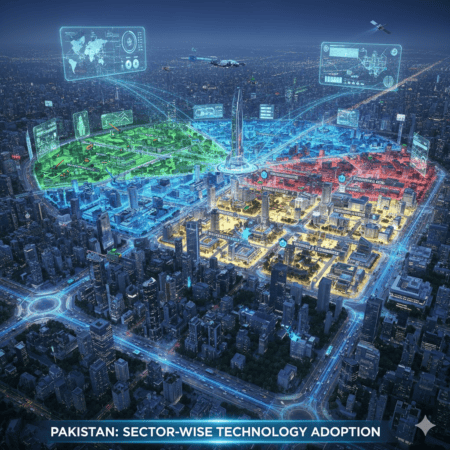
Sector-Wise Technology Adoption
Technology adoption in Pakistan extends beyond IT companies. Several sectors are leveraging digital solutions to improve efficiency, accessibility, and innovation.
Healthcare Technology
Pakistan’s healthcare sector is embracing digital tools to enhance service delivery:
- Telemedicine platforms provide remote consultations and patient management
- AI-assisted diagnostics improve accuracy and reduce human error
- Digital health records enable better tracking and monitoring of patient history
Technology Landscape in 2026 Hospitals and clinics are increasingly investing in health information systems to streamline operations, reduce costs, and enhance patient care.
Financial Technology (Fintech)
Fintech remains one of the most transformative sectors in Pakistan:
- Mobile wallets and digital payment solutions are expanding financial inclusion
- Blockchain-based platforms are being adopted for secure transactions
- Data analytics helps banks and fintech firms understand customer behavior
The fintech ecosystem is fostering innovation while promoting transparency, efficiency, and financial accessibility across the country.
Energy Sector
Technology Landscape in 2026 Energy companies are adopting smart grids, monitoring systems, and automated controls to optimize performance. These technologies are helping the sector reduce losses, improve reliability, and integrate renewable energy sources efficiently.
Education & E-Learning
The education sector is leveraging Learning Management Systems (LMS) and digital platforms for online classes, assessments, and skill development programs. Universities are integrating digital laboratories, coding bootcamps, and collaborative tools to prepare students for the modern workforce.
Enterprise & Business Technology
Businesses are increasingly dependent Technology Landscape in 2026 on cloud computing, enterprise software, and data analytics to improve productivity. Companies are using these tools to:
- Streamline operations
- Enhance decision-making through data-driven insights
- Reduce IT infrastructure costs
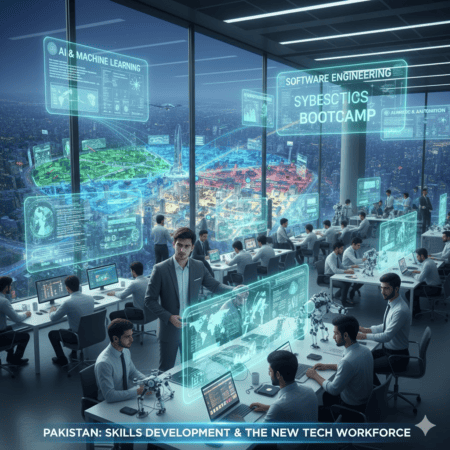
Skills Development and the New Tech Workforce
A thriving technology ecosystem requires a skilled workforce. Pakistan is focusing heavily on training, upskilling, and professional development to meet the demands of 2026.
High-Demand Skills
Key areas include:
- Cloud computing (AWS, Azure, Google Cloud)
- Data analytics and business intelligence
- Cybersecurity and ethical hacking
- Artificial Intelligence and automation tools
- Enterprise software development
Skill-Building Initiatives
- Bootcamps: Short-term, practical programs to develop job-ready skills
- Online courses and MOOCs: Flexible learning options for professionals and students
- University-industry partnerships: Hands-on projects and research collaboration
Technology Landscape in 2026 These programs are crucial in reducing the skills gap and creating a workforce that can meet both local and global technology demands.
Cloud Computing and Data Analytics: Foundations of Pakistan’s Digital Future
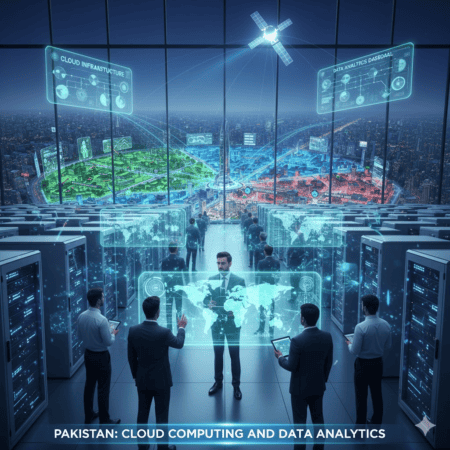
Cloud Computing Adoption
Cloud platforms are revolutionizing how organizations operate. Benefits include:
- Scalability to manage growth efficiently
- Reduced IT infrastructure costs
- Enhanced security and disaster recovery
Businesses and government institutions alike are increasingly adopting cloud solutions to improve service delivery and operational efficiency.
Data Analytics as a Strategic Asset
Data-driven decision-making is now a core competency for businesses:
- Customer behavior analytics improves service and marketing strategies
- Operational analytics enhances efficiency and reduces waste
- Predictive modeling supports strategic business planning
The integration of cloud computing and data analytics is laying the foundation for a smart, agile, and future-ready digital ecosystem in Pakistan.
International Partnerships and Global Integration
Pakistan’s digital ambitions are supported by international collaborations and partnerships.
- Foreign investment brings capital and technology know-how
- Joint ventures accelerate innovation and product development
- Global exposure via conferences and trade delegations enhances Pakistan’s credibility
Such collaborations are essential for integrating Pakistan into global technology supply chains, fostering innovation, and positioning the country as a competitive digital hub in South Asia.

Challenges and Roadblocks
Despite strong progress, challenges remain:
- Infrastructure gaps: Limited broadband access in rural areas
- Regulatory frameworks: Data privacy, digital payments, and cybersecurity policies need strengthening
- Startup ecosystem limitations: Access to funding, mentorship, and resources remains uneven
- Workforce challenges: Aligning education outcomes with industry requirements
Addressing these challenges is critical to ensure inclusive, sustainable, and high-quality growth in Pakistan’s technology ecosystem.
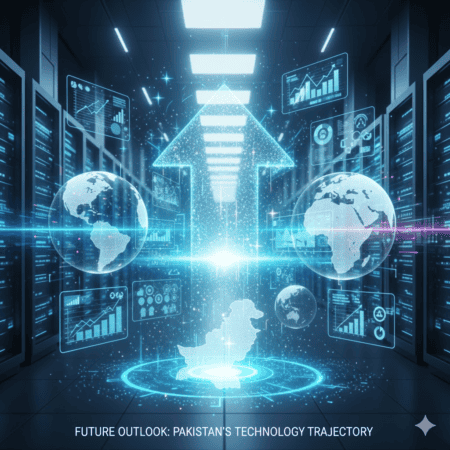
Future Outlook: Pakistan’s Technology Trajectory
The future of Pakistan’s technology landscape looks promising:
- Artificial intelligence and automation will drive efficiency in multiple sectors
- Fintech innovation will continue to enhance financial inclusion and transparency
- Cloud computing and data analytics will become integral to enterprise and government operations
- Skill development programs will prepare the workforce for advanced technology roles
With continued investment, policy support, and international collaboration, Technology Landscape in 2026 Pakistan has the potential to emerge as a regional technology leader, driving economic growth and global competitiveness.
Conclusion: Building a Smarter, Stronger Digital Future
Technology Landscape in 2026 is a defining year for Pakistan’s digital ecosystem. Through technology adoption, global partnerships, skill development, and strategic events like ITCN Asia, the country is positioning itself for a dynamic and innovative future.
While challenges remain, the convergence of technology, talent, and policy creates a fertile environment for growth. Pakistan’s journey toward a smarter, digital, and globally competitive economy is underway, promising exciting opportunities for businesses, investors, and professionals alike.
you may also like
___________________