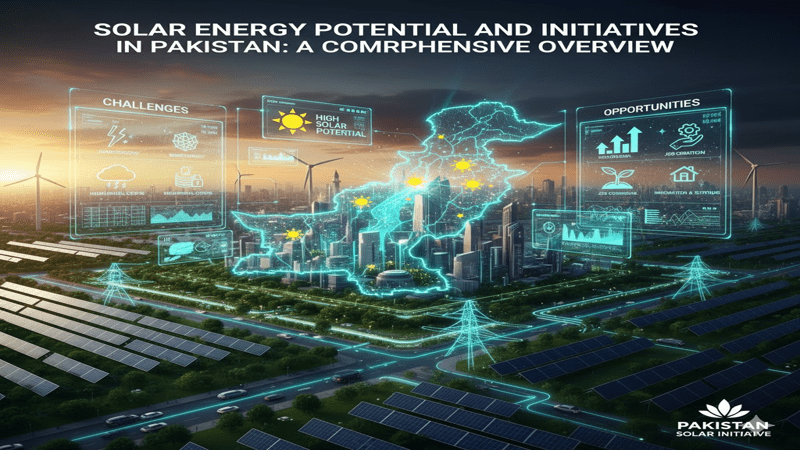
Solar Energy Potential and Initiatives in Pakistan: A Comprehensive Overview
Pakistan is one of the countries with enormous solar energy potential, primarily due to its strategic geographic location, vast open land, and consistently high levels of sunlight throughout the year. On average, the country receives 8 to 10 hours of sunlight per day, making solar energy a highly reliable, sustainable, and cost-effective source of electricity for both urban centers and remote rural areas. Experts estimate that Pakistan’s theoretical solar energy capacity is around 2.9 million MW, which, if fully harnessed, could not only meet the country’s domestic electricity demand but also position Pakistan as a regional leader in renewable energy production.
This abundant solar resource offers tremendous opportunities for residential, commercial, and industrial sectors, as well as for youth entrepreneurs looking to establish solar businesses. With proper investment, modern technology, and supportive government policies, Pakistan has the potential to transform its energy landscape, reduce dependency on fossil fuels, and contribute significantly to environmental sustainability and economic growth.
Table of Contents
Solar Energy Potential and Initiatives in Pakistan: A Comprehensive Overview on youtube
Solar Energy Potential and Initiatives in Pakistan: A Comprehensive Overview on Facebook
1. Regions with High Solar Potential
Certain areas in Pakistan are particularly suitable for solar power generation:
- Sindh
- The Thar Desert is the most prominent solar hotspot, already home to Thar Solar Park, which has an installed capacity of several hundred MW.
- High solar irradiance and vast, unused desert land make it ideal for utility-scale solar farms.
- Southern Punjab
- Regions such as Bahawalpur and Multan receive significant sunlight throughout the year.
- Solar panels installed here can efficiently serve both residential and commercial sectors, reducing reliance on the national grid.
- Balochistan
- Large, open, sparsely populated areas with minimal shading provide opportunities for large solar farms.
- Projects here can also support remote villages and mining operations with off-grid solar solutions.
- Northern Areas (Potential for Hybrid Systems)
- While sunlight hours are slightly lower, hybrid solar-wind systems can support small towns and tourist areas, reducing diesel generator use.

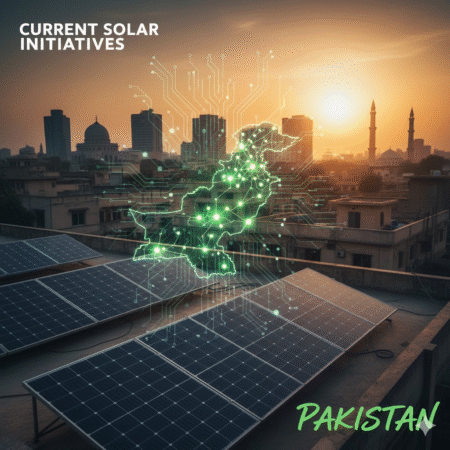
2. Current Solar Initiatives in Pakistan
The government and private sector have launched several projects to leverage solar potential:
- Utility-Scale Solar Parks
- Thar Solar Park (Sindh): One of the largest solar farms in Pakistan, designed to supply hundreds of MW to the national grid.
- Quaid-e-Azam Solar Park (Bahawalpur): Contributes to both residential and industrial electricity needs.
- Net-Metering Program
- Introduced to allow households and businesses to generate electricity from solar panels and sell surplus energy back to the national grid.
- Encourages residential and small commercial adoption of solar technology, improving profitability for entrepreneurs.
- Youth and SME Incentives
- Special loans, tax exemptions, and subsidies are offered to small businesses and young entrepreneurs to promote solar installations.
- Programs like Prime Minister’s Youth Loan provide accessible funding for solar startups.
- Off-Grid Solutions for Rural Areas
- Solar micro-grids and solar home systems are being deployed in remote villages, especially in Balochistan, Sindh, and Khyber Pakhtunkhwa.
- Solar Energy Potential these initiatives reduce dependence on expensive diesel generators and provide reliable electricity for schools, clinics, and small businesses.
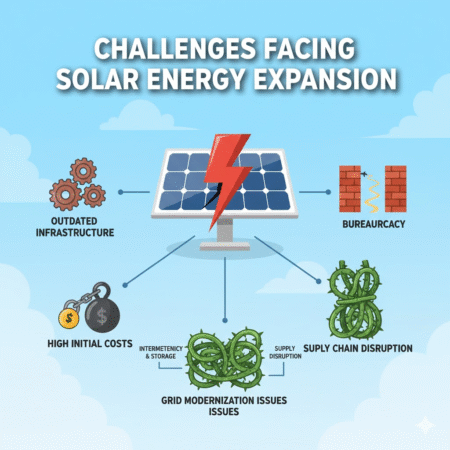
3. Challenges Facing Solar Energy Expansion
Despite the enormous potential, Pakistan’s solar sector faces several challenges:
- High Initial Investment
- Solar panel installation, inverters, and batteries require significant upfront capital, which can deter small investors or households.
- Shortage of Skilled Labor
- There is a limited pool of trained technicians capable of installing, maintaining, and troubleshooting solar systems.
- Training programs and vocational courses are needed to fill this gap.
- Low Awareness Among Consumers
- Many people are unaware of benefits, financing options, and government incentives for solar energy.
- Awareness campaigns and education programs are critical to encourage adoption.
- Maintenance and Technical Support
- Without proper maintenance, solar panels’ efficiency can decline.
- Entrepreneurs offering maintenance services can create recurring income while improving system reliability.
- Policy and Regulatory Issues
- Solar Energy Potential Streamlining approvals for installations, grid connections, and net-metering is essential to attract more investment.
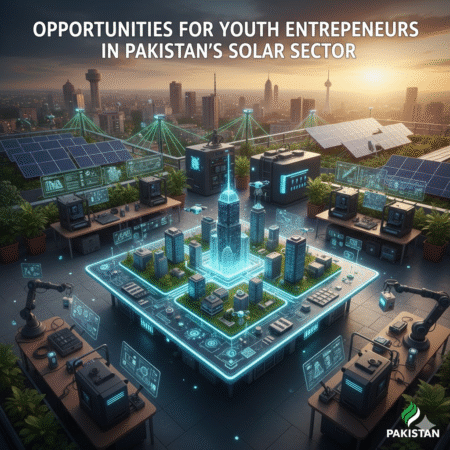
4. Opportunities for Youth Entrepreneurs in Pakistan’s Solar Sector
Despite the challenges facing Pakistan’s solar energy sector, there are numerous business opportunities for young entrepreneurs who want to enter this rapidly growing market. With the right strategy, investment, and skills, youth can not only generate substantial income but also contribute to the country’s renewable energy goals.
4.1. Residential Solar Installations
- Overview: Solar Energy Potential Residential solar systems are highly sought after due to rising electricity costs and frequent load-shedding in urban and rural areas.
- Investment and Returns: Small-scale systems (2–5 kW) require relatively low initial investment and provide quick returns, making this sector ideal for youth startups.
- Example: Installing a 3 kW system in 5 homes per month could generate PKR 150,000–200,000 in monthly profit, depending on panel quality and additional services offered.
- Tips: Focus on areas with high electricity tariffs and unreliable grid supply, and offer installation packages that include basic maintenance to attract more clients.
4.2. Commercial and Industrial Installations
- Overview: Businesses, schools, factories, and shops are adopting medium-to-large solar systems (10–100 kW) to reduce operational costs and benefit from net-metering policies.
- Revenue Potential: Profit margins are slightly lower (10–15%) than residential projects, but total earnings are much higher due to larger system size.
- Example: A 50 kW commercial installation costing PKR 5 million can generate around PKR 500,000 profit.
- Tips: Partner with businesses that have high electricity consumption and offer consultancy services to optimize energy systems, increasing your earnings and credibility.
4.3. Maintenance and After-Sales Services
- Overview: Solar Energy Potential Solar panels and systems require regular inspection, cleaning, and technical troubleshooting to maintain efficiency.
- Recurring Income: Maintenance contracts provide stable, recurring monthly income.
- Residential: PKR 500–2,000 per month per client
- Commercial: PKR 50,000–150,000 per month
- Tips: Solar Energy Potential Offer annual or semi-annual contracts, and use quality service as a marketing tool to attract more clients and referrals.
4.4.Battery and Inverter Sales
- Overview: Solar batteries, inverters, and related accessories are in high demand as essential components of solar systems.
- Profit Potential: These items can yield 10–30% profit margins, significantly boosting overall revenue for entrepreneurs.
- Tips: Stock high-quality, durable products and provide installation support to differentiate yourself from competitors.
5. Consultancy and Financing Services
- Overview: Many consumers and businesses are unaware of government incentives, net-metering policies, and financing options.
- Revenue Streams: Solar Energy Potential Youth entrepreneurs can earn commissions for guiding clients on loan applications, subsidies, and net-metering registration.
- Example: Solar Energy Potential Assisting 5 clients per month with financing or net-metering could generate PKR 10,000–50,000 in commissions.
- Tips: Stay updated on government policies, renewable energy programs, and financing options to offer accurate advice and build trust with clients.
By combining installation, maintenance, sales, and consultancy services, youth entrepreneurs can maximize their profits, create recurring income streams, and establish a strong presence in Pakistan’s growing solar market. With the country’s abundant sunlight and supportive policies, entering this sector now provides a first-mover advantage for ambitious young business owners.
5. Future Outlook
- Pakistan’s goal of 12.3 GW solar capacity by 2025 and 45 GW by 2030 shows the government’s commitment to renewable energyin Solar Energy Potential.
- Regions like Sindh, Southern Punjab, and Balochistan will remain hotspots for solar expansion.
- Youth entrepreneurs who enter the market now can capture early market share, Solar Energy Potential build reputation, and scale into residential, commercial, and industrial projects.

Conclusion:
Pakistan has the sunlight, land, and government support to become a regional leader in solar energy. Solar Energy Potential By addressing challenges like high costs, skilled labor shortage, and low awareness, the country can fully realize its 2.9 million MW potential, while youth entrepreneurs can capitalize on this rapidly growing sector.
You may also like
______________
McKinsey Technology Trends Outlook 2025: Key Insights & Full Explanation