

Introduction
The art of crafting is as old as human civilization itself. From the moment early humans shaped clay into pots or wove plant fibers into baskets, crafting became a fundamental part of life. It was not merely a way to survive, but a way to express identity, culture, and creativity. Even today, in an age dominated by technology, factories, and artificial intelligence, handmade creations continue to inspire the world in powerful and meaningful ways.
Crafting is more than making objects with hands—it is about storytelling, patience, skill, and emotion. Every handmade item carries a piece of its creator’s soul. Unlike mass-produced goods, which are designed to be identical, handmade crafts are unique. No two pieces are ever exactly the same, and that uniqueness is what gives crafting its timeless value. Across the globe, from small villages to large cities, handmade creations connect people, preserve traditions, and inspire creativity in countless forms.
Table of Contents
1. The Art of Crafting: How Handmade Creations Inspire the World ON YOUTUBE
Understanding the True Meaning of Crafting
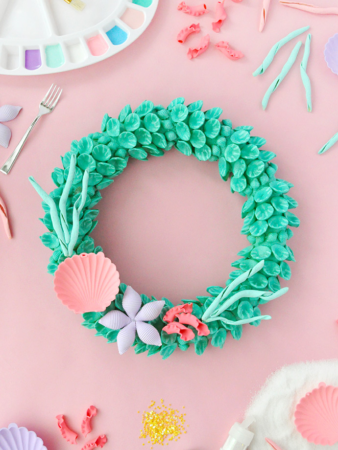
Crafting refers to the creation of objects by hand using traditional skills, creativity, and simple or natural materials. These objects may be decorative, functional, or both. Crafting includes a wide range of activities such as pottery, knitting, embroidery, woodworking, painting, paper crafts, jewelry making, and textile design.
What truly defines crafting is the personal involvement of the maker. The crafter makes decisions at every step—choosing colors, textures, shapes, and techniques. This personal touch gives handmade creations a depth and character that machines cannot replicate. Crafting allows individuals to express feelings, ideas, and beliefs without words. A single handmade piece can reflect joy, struggle, hope, culture, and history all at once.
The Historical Roots of Handmade Crafts
Throughout history, crafting has played a vital role in shaping civilizations. Ancient societies relied on handmade crafts for everyday life. In Egypt, artisans created intricate jewelry and pottery. In China, silk weaving became a symbol of luxury and innovation. In South Asia, handloom textiles and embroidery flourished, carrying regional stories and traditions.
In many cultures, crafting skills were passed down from generation to generation. Mothers taught daughters how to embroider, while fathers taught sons how to carve wood or shape metal. These traditions were not just skills; they were a form of education, identity, and survival. Handmade crafts also played a role in religious and cultural ceremonies, symbolizing beliefs and values.
Even during periods of industrialization, when machines began replacing hand labor, crafting did not disappear. Instead, it adapted. Many people began to see handmade goods as symbols of quality, authenticity, and cultural pride.
Crafting as a Cultural Language
Every culture has its own crafting traditions that act as a visual language. These crafts tell stories about a community’s history, environment, and beliefs. For example, traditional embroidery patterns often represent nature, family, or spiritual ideas. Colors and symbols used in crafts may carry deep meanings understood within a culture.
Handmade crafts also help preserve cultural heritage. In a globalized world where cultures can easily blend or fade, traditional crafts serve as living reminders of identity. When artisans continue to practice these crafts, they keep history alive. When people around the world appreciate and purchase these handmade items, they help protect cultural diversity.
How Handmade Creations Inspire Creativity
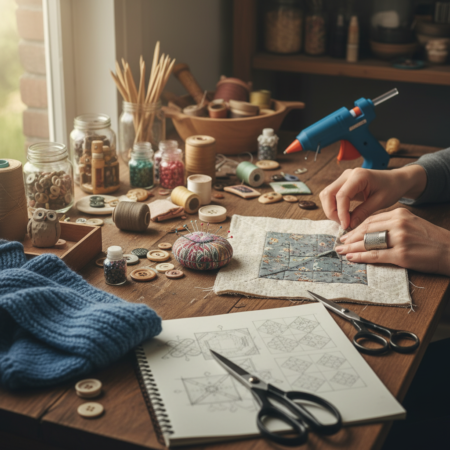
One of the most powerful impacts of crafting is its ability to inspire creativity in others. Seeing a handmade item often sparks curiosity: How was this made? Can I try this myself? This curiosity leads many people to explore their own creative abilities.
Crafting shows that creativity is not limited to artists or professionals. Anyone can create something meaningful with simple materials and imagination. DIY (Do It Yourself) culture has grown rapidly because crafting empowers people. It teaches that mistakes are part of the process and that imperfection can be beautiful.
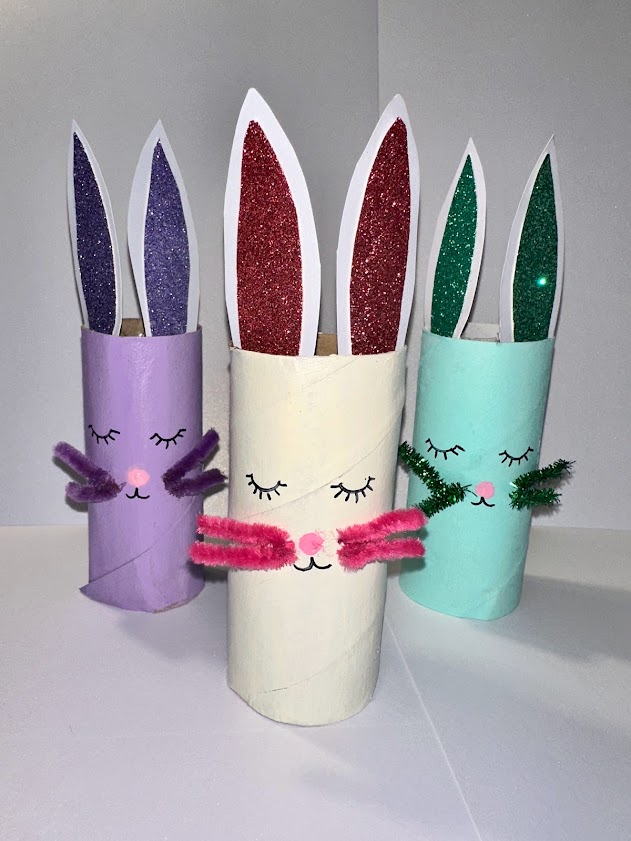
For children, crafting encourages imagination and problem-solving. For adults, it rekindles creativity that may have been forgotten due to busy routines. In this way, handmade creations inspire people of all ages to think creatively and confidently.
The Emotional Power of Handmade Items
Handmade creations carry emotional value that factory-made products often lack. A handmade gift feels personal because it represents time, effort, and care. Whether it is a hand-knitted scarf, a painted card, or a crafted decoration, such items create emotional connections between people.
Crafting itself is also emotionally healing. Many people turn to crafting as a form of therapy. Activities like knitting, painting, or clay work help reduce stress and anxiety. The repetitive motions and focus required in crafting create a calming effect, allowing the mind to relax. This is why crafting is often recommended for mental well-being.
Crafting and Sustainability
In today’s world, environmental issues are a major concern. Crafting offers a sustainable alternative to mass production. Many handmade crafts use recycled, reused, or natural materials. Old fabrics become quilts, glass bottles become decorations, and paper waste becomes art.
By promoting reuse and mindful consumption, crafting encourages people to value resources. Handmade items are usually made to last, unlike cheap mass-produced goods that are quickly discarded. This approach supports a more sustainable lifestyle and inspires people to care for the planet through creativity.
The Role of Artisans in Society
Artisans are the backbone of the crafting world. They invest years in learning and perfecting their skills. Their work requires patience, dedication, and passion. In many regions, artisans depend on crafting for their livelihood, especially in rural and developing areas.
Supporting handmade crafts means supporting these artisans and their families. It helps preserve traditional skills and creates economic opportunities. For many women, crafting provides independence and empowerment. Home-based craft businesses allow them to earn income while managing family responsibilities.
4
Crafting in the Modern Digital World
The modern world has given crafting a new life through digital platforms. Social media, online marketplaces, and craft websites allow artisans to reach global audiences. A handmade item created in a small village can now be appreciated by someone on the other side of the world.
Online tutorials and videos have also made crafting more accessible. People can learn new skills from their homes, experiment with different techniques, and share their creations online. This digital connection has created global crafting communities where people inspire and support each other.
Educational Importance of Crafting
Crafting plays an important role in education. In schools, craft activities help develop fine motor skills, creativity, and concentration. Students learn to follow instructions, solve problems, and work patiently.
Crafting also supports learning in subjects like mathematics, science, and history. Measuring materials involves math, understanding materials involves science, and traditional crafts teach history and culture. This hands-on learning makes education more engaging and meaningful.
Crafting as a Business and Career
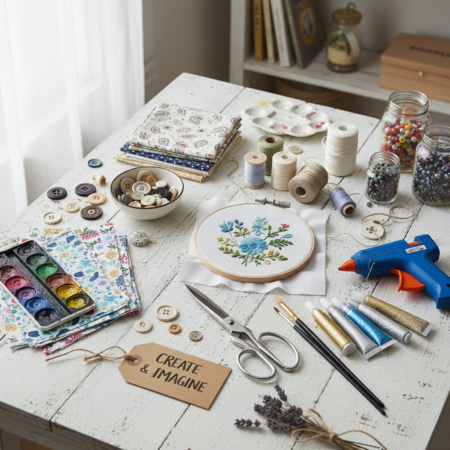
For many people, crafting is not just a hobby but a career. Handmade businesses are growing worldwide. People sell handmade jewelry, home décor, clothing, and artwork through online stores and local markets.
Craft-based businesses promote creativity and independence. They allow individuals to turn passion into income. While challenges exist, such as competition and pricing, the demand for authentic handmade products continues to grow. Consumers increasingly value quality, originality, and ethical production.
Why Handmade Creations Still Matter Today
In a world full of identical products, handmade creations remind us of human effort and individuality. They teach us to slow down and appreciate details. Handmade items are not rushed; they are crafted with care.
These creations also remind us of connection—connection to culture, to the maker, and to ourselves. They show that beauty does not come from perfection but from authenticity. This message inspires people to live more thoughtfully and creatively.
The Global Impact of Crafting
Across the world, crafting connects people beyond borders. Craft fairs, exhibitions, and cultural festivals bring together artisans and audiences from different backgrounds. Through handmade creations, people learn about other cultures and traditions, promoting understanding and respect.
Crafting also plays a role in social change. Many organizations use crafts to support marginalized communities, provide skills training, and promote fair trade. In this way, crafting inspires not only individuals but entire communities.
The Future of Crafting
The future of crafting looks promising. As people become more conscious of sustainability, mental health, and cultural preservation, handmade crafts gain more importance. Technology and tradition can work together, allowing artisans to innovate while staying rooted in heritage.
Younger generations are also showing interest in crafting, blending traditional techniques with modern designs. This ensures that the art of crafting will continue to evolve and inspire for generations to come.
Conclusion
The art of crafting is a powerful and timeless force. Handmade creations inspire the world by celebrating creativity, preserving culture, supporting sustainability, and connecting people emotionally. They remind us of the beauty of human hands and imagination in an increasingly automated world.
Every handmade item carries a story—a story of effort, passion, and purpose. By valuing and supporting crafting, we keep these stories alive. The world may change, but the inspiration drawn from handmade creations will always remain.
______________________
YOU MAY ALSO LIKE: