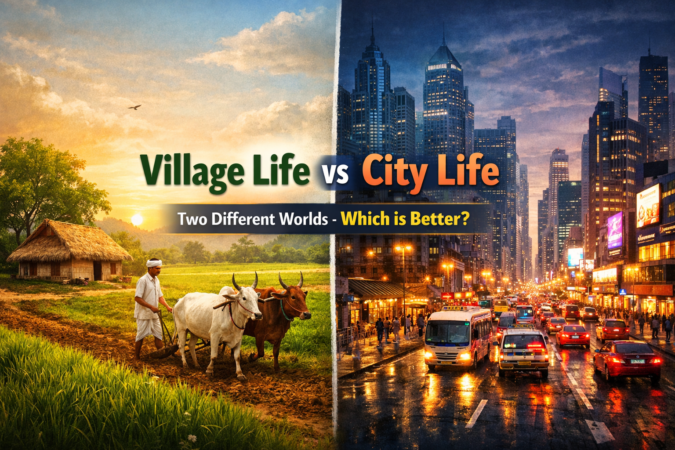
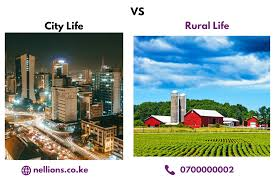
Life is universal, yet it varies drastically depending on where one lives. Village life and city life are two contrasting worlds, each with unique advantages, challenges, and lifestyles. While villages are peaceful, calm, and connected to nature, cities are busy, fast-paced, and technologically advanced. Both forms of life shape human behavior, culture, and priorities in distinctive ways. This article provides an in-depth comparison between village life and city life, highlighting their features, benefits, drawbacks, and the impact they have on individuals and society.
Introduction
The choice between village life and city life is influenced by personal preference, career goals, family needs, and social circumstances. Villages are usually characterized by serenity, natural beauty, and simple living, while cities are hubs of commerce, technology, education, and social diversity. The lifestyles in both areas are shaped by the environment, economy, and cultural factors. Understanding the differences between these two worlds helps people appreciate their unique values and challenges. While city life promises opportunity and convenience, village life offers peace, simplicity, and a sense of belonging.
Table of Contents
Village Life vs City Life: Two Different Worlds Which is better on youtube
Village Life: Simplicity, Nature, and Community
Village life is often associated with simplicity, a slower pace, and strong community bonds. In most villages, agriculture forms the backbone of the economy. Farmers work in fields, growing crops like wheat, rice, maize, vegetables, and fruits. Livestock rearing, including cows, goats, chickens, and buffaloes, is also common. Farming is not just a source of income; it is a lifestyle that teaches patience, hard work, and responsibility from an early age.
Villagers rely on traditional methods of farming, but some also adopt modern agricultural techniques. Despite limited technology, the strong connection with nature ensures food security and self-sufficiency. Festivals and harvest seasons, like Eid, Diwali, or local harvest fairs, are celebrated with community participation, showcasing cultural richness and unity.
Environment and Nature
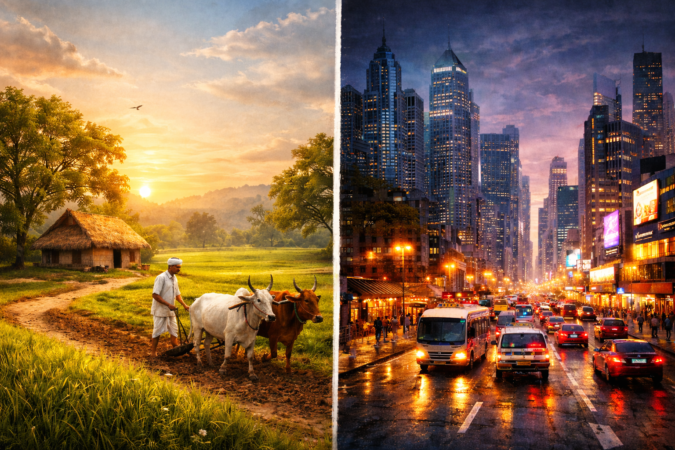
One of the most appealing aspects of village life is its natural surroundings. Villages are surrounded by green fields, rivers, forests, and mountains. Fresh air, clean water, and minimal noise pollution contribute to physical and mental well-being. Children can play outdoors freely, climb trees, and swim in rivers, leading to a healthier lifestyle. The connection to nature fosters environmental awareness and r
espect for animals and plants.
Community and Social Bonds
In villages, people often live in close-knit communities. Neighbors know each other personally, and communal life is a significant aspect. Families support one another during hardships, such as illness or financial difficulties. Weddings, festivals, and religious ceremonies involve the entire community, creating a strong sense of unity and shared responsibility. Elderly people are respected, and moral values are taught through daily interactions and cultural practices.
Lifestyle and Health
Life in a village is simple and cost-effective. People grow their own food, consume fresh dairy products, and maintain a physically active lifestyle. Manual work in fields, walking long distances, and participation in community events contribute to physical fitness. Limited exposure to processed food and chemicals results in better health. However, challenges like limited healthcare, poor transportation, and inadequate educational facilities sometimes hinder growth and development.
City Life: Opportunities, Modernity, and Challenges
City life, in contrast, is characterized by speed, technology, and modern facilities. Cities are hubs of employment, education, and entertainment. Unlike villages, where daily life revolves around agriculture, city dwellers work in offices, businesses, factories, and IT sectors. Cities provide a wide range of career opportunities and higher salaries, attracting people from surrounding villages.
Opportunities and Education
Education in cities is more advanced and varied. Schools, colleges, universities, and coaching centers provide access to high-quality education, advanced laboratories, libraries, and technology. Students can pursue diverse careers, including medicine, engineering, law, business, arts, and IT. Cities also offer training programs, workshops, and internships, which are usually unavailable in villages.
Facilities and Modern Living
Cities provide modern infrastructure, including electricity, water, internet, public transport, hospitals, shopping malls, cinemas, and restaurants. Access to these facilities ensures convenience and comfort. Healthcare services are advanced, with specialized doctors, hospitals, and pharmacies. Entertainment options, like cinemas, parks, sports complexes, and cultural events, enrich city life.
Challenges of City Life
Despite its advantages, city life comes with challenges. Overpopulation, pollution, traffic congestion, and stress are common. People often live in smaller apartments with limited interaction with neighbors, reducing social bonds. High competition in education and employment causes pressure and mental stress. Living costs are higher, and dependence on processed foods and sedentary lifestyles can lead to health issues.
Comparison Table: Village Life vs City Life (Detailed)
| Feature | Village Life | City Life |
|---|---|---|
| Environment | Green fields, rivers, fresh air, quiet surroundings | Crowded streets, pollution, industrial noise, traffic |
| Occupation | Farming, livestock, small businesses, handicrafts | Office jobs, industries, IT, business, services |
| Lifestyle | Simple, community-oriented, slower pace | Fast-paced, individualistic, technology-driven |
| Health | Fresh food, active lifestyle, low stress | Processed food, sedentary lifestyle, high stress |
| Education | Basic schools, limited resources, traditional learning | Advanced schools, universities, modern teaching methods |
| Social Life | Close-knit community, shared celebrations, moral upbringing | Limited social bonds, social networking, events mostly individual |
| Facilities | Limited hospitals, shops, transport, utilities | Advanced hospitals, shopping malls, public transport, entertainment |
| Culture & Traditions | Rich cultural practices, traditional festivals, community rituals | Modern culture, global influences, diverse lifestyle |
| Challenges | Limited career opportunities, less technology, transport issues | Pollution, noise, stress, high living costs, limited outdoor space |
| Opportunities | Peaceful living, strong social bonds, connection with nature | Higher education, career growth, financial stability, modern amenities |
Impact on Personality and Lifestyle
Where a person grows up significantly influences personality, values, and lifestyle. Children in villages often develop patience, simplicity, respect for elders, and appreciation for nature. City children may become ambitious, competitive, tech-savvy, and adaptive to modern challenges. Social behavior, problem-solving skills, and life perspectives differ due to environmental and cultural exposure.
Similarities Between Village and City Life
Even with their differences, villages and cities share some similarities. Both provide basic needs such as shelter, food, education, and social interaction. Festivals, religious events, and celebrations exist in both, fostering a sense of identity and belonging. Both contribute to society’s economy—villages through agriculture and craftsmanship, and cities through commerce, industry, and services.
Which Is Better?
Deciding which lifestyle is better depends on personal preferences, career goals, and life priorities. Village life offers peace, health, and strong community bonds but lacks modern facilities. City life offers opportunities, education, and comfort but comes with stress, pollution, and high living costs. Many people today choose suburban living or maintain strong connections with both village and city to enjoy a balanced life.
Conclusion
Village life and city life are two distinct worlds, each teaching valuable life lessons. Villages symbolize peace, simplicity, and harmony with nature, while cities represent progress, modernity, and opportunity. Both have advantages and disadvantages, but understanding and appreciating each lifestyle helps people make informed life choices. In today’s rapidly changing world, blending the best of both worlds—peace of villages with facilities of cities—can lead to a fulfilling and balanced life.Life is universal, yet it varies drastically depending on where one lives.
Village life and city life are two contrasting worlds, each with unique advantages, challenges, and lifestyles. While villages are peaceful, calm, and connected to nature, cities are busy, fast-paced, and technologically advanced. Both forms of life shape human behavior, culture, and priorities in distinctive ways. This article provides an in-depth comparison between village life and city life, highlighting their features, benefits, drawbacks, and the impact they have on individuals and society.
_______________________
YOU MAY ALSO LIKE: