Introduction
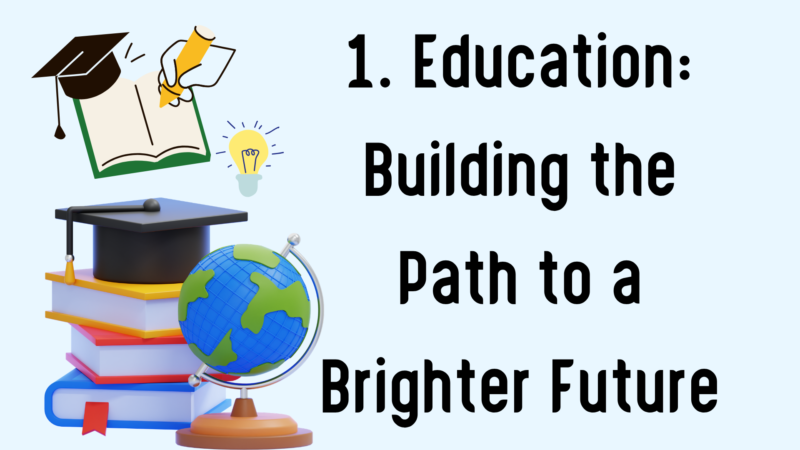
Education is one of the most powerful tools that shapes individuals, societies, and nations. It is not just about reading books or passing exams—it is about learning how to think, understand the world, and build a better future. A well-educated person is more confident, aware, and capable of making wise decisions. Education helps people build strong character, build confidence, and build a sense of responsibility. It also allows individuals to build better communication skills and build creative thinking.
Education opens doors to opportunities and helps people build successful careers and achieve their dreams. It encourages students to build knowledge, build skills, and build a positive attitude toward life. In today’s fast-changing world, education is more important than ever because it prepares us to face challenges and build success. It teaches us how to build solutions, build innovation, and build a better society.
Through education, we can build a brighter future, build stronger communities, and build a world full of peace and progress.
Table of Contents
The True Meaning of Education
Education is often misunderstood as only formal schooling, but in reality, it is much broader. It begins at home, continues in school, and lasts throughout life. It includes learning values such as honesty, respect, kindness, and responsibility. A truly educated person is not only knowledgeable but also wise and ethical.
Education teaches us how to think critically rather than just memorizing information. It encourages curiosity and creativity. For example, a student who learns how to solve problems can use that skill in real life, whether in science, business, or daily challenges. Therefore, education is not just preparation for life—it is life itself.
Importance of Education in Personal Growth
Education plays a vital role in personal development. It helps individuals discover their talents and abilities. A person who receives proper education can communicate better, make informed decisions, and adapt to different situations.
Firstly, education builds confidence. When people gain knowledge, they feel more capable of expressing their ideas. Secondly, it improves thinking skills. Educated individuals can analyze situations and find solutions rather than getting confused or misled.
Moreover, education teaches discipline and time management. Students learn how to organize their work, meet deadlines, and stay focused on goals. These qualities are essential for success in any field.
Education and Career Opportunities
One of the most obvious benefits of education is better career opportunities. In today’s competitive world, most jobs require specific skills and qualifications. Education provides the foundation for these skills.
For example, a person who wants to become a doctor, engineer, or computer expert must study and train for many years. Even in other fields like business, teaching, or arts, education is necessary to understand the basics and improve performance.
Education also helps people become independent. Instead of relying on others, educated individuals can earn their own income and support their families. This independence brings dignity and self-respect.
Role of Education in Society
Education does not only benefit individuals—it also improves society as a whole. A society with educated people is more peaceful, organized, and progressive.
Firstly, education reduces poverty. When people are educated, they can find better jobs and improve their living conditions. Secondly, it promotes equality. Education gives everyone a chance to succeed, regardless of their background.
Education also creates awareness about important issues such as health, environment, and human rights. For example, educated people are more likely to understand the importance of cleanliness, vaccination, and protecting nature.
Education and Technology
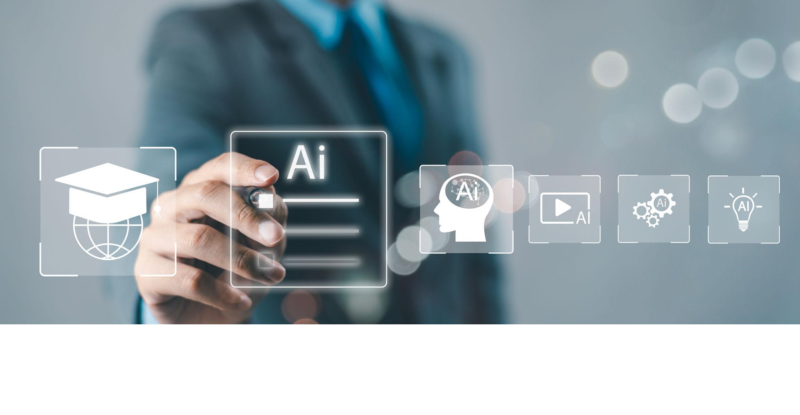
In the modern world, education and technology go hand in hand. Technology has changed the way we learn and teach. Today, students can access information from all over the world through the internet.
Online classes, educational apps, and digital tools have made learning more interactive and engaging. Students can watch videos, take quizzes, and practice skills anytime and anywhere.
Technology also helps teachers explain difficult concepts more easily. For example, science experiments can be shown through animations, making them easier to understand.
However, it is important to use technology wisely. Too much screen time or misuse of the internet can be harmful. Therefore, students should balance digital learning with traditional methods.
Challenges in Education
Despite its importance, education faces many challenges, especially in developing countries. Some children do not have access to schools due to poverty, distance, or lack of facilities.
Another problem is the quality of education. In some places, students memorize lessons without understanding them. This limits their ability to think and apply knowledge.
Gender inequality is also an issue in some areas, where girls are not given equal opportunities to study. This not only affects individuals but also slows down the progress of society.
To overcome these challenges, governments and communities must work together. Building more schools, training teachers, and promoting awareness about the importance of education can make a big difference.
The Role of Teachers
Teachers are the backbone of the education system. They are not just instructors but also mentors and role models. A good teacher inspires students to learn and guides them toward success.
Teachers help students understand difficult topics and encourage them to ask questions. They also teach values such as honesty, respect, and teamwork.
A teacher’s influence can last a lifetime. Many successful people remember their teachers as the ones who motivated them to achieve their goals.
Importance of Self-Education
Education does not stop after school or college. Self-education is equally important. It means learning new things on your own through reading, observing, and exploring.
In today’s world, where information is easily available, anyone can continue learning at any age. For example, a person can learn new skills like coding, writing, or designing through online resources.
Self-education helps individuals stay updated and adapt to changes. It also builds confidence and independence.
Education for a Better Future
Education is the key to a brighter future. It helps individuals achieve their dreams and contributes to the development of society. An educated nation is stronger, more innovative, and more successful.
When children receive proper education, they grow up to become responsible citizens. They can solve problems, create opportunities, and lead their communities.
Education also promotes peace and understanding. It teaches people to respect different cultures, beliefs, and opinions. This reduces conflicts and builds harmony.
Conclusion
In conclusion, education is the foundation of a successful and meaningful life. It shapes our thoughts, builds our character, and prepares us for the future. Without education, progress is impossible.
Every child deserves the right to education, and every society must invest in it. By promoting education, we can create a world that is more knowledgeable, fair, and prosperous.
Education is not just a path to a brighter future—it is the light that guides us toward it.
_____________________
YOU MAY ALSO LIKE:
How to Rank on Google Search in 2026: The BEST Complete Beginner-to-Advanced SEO Guide